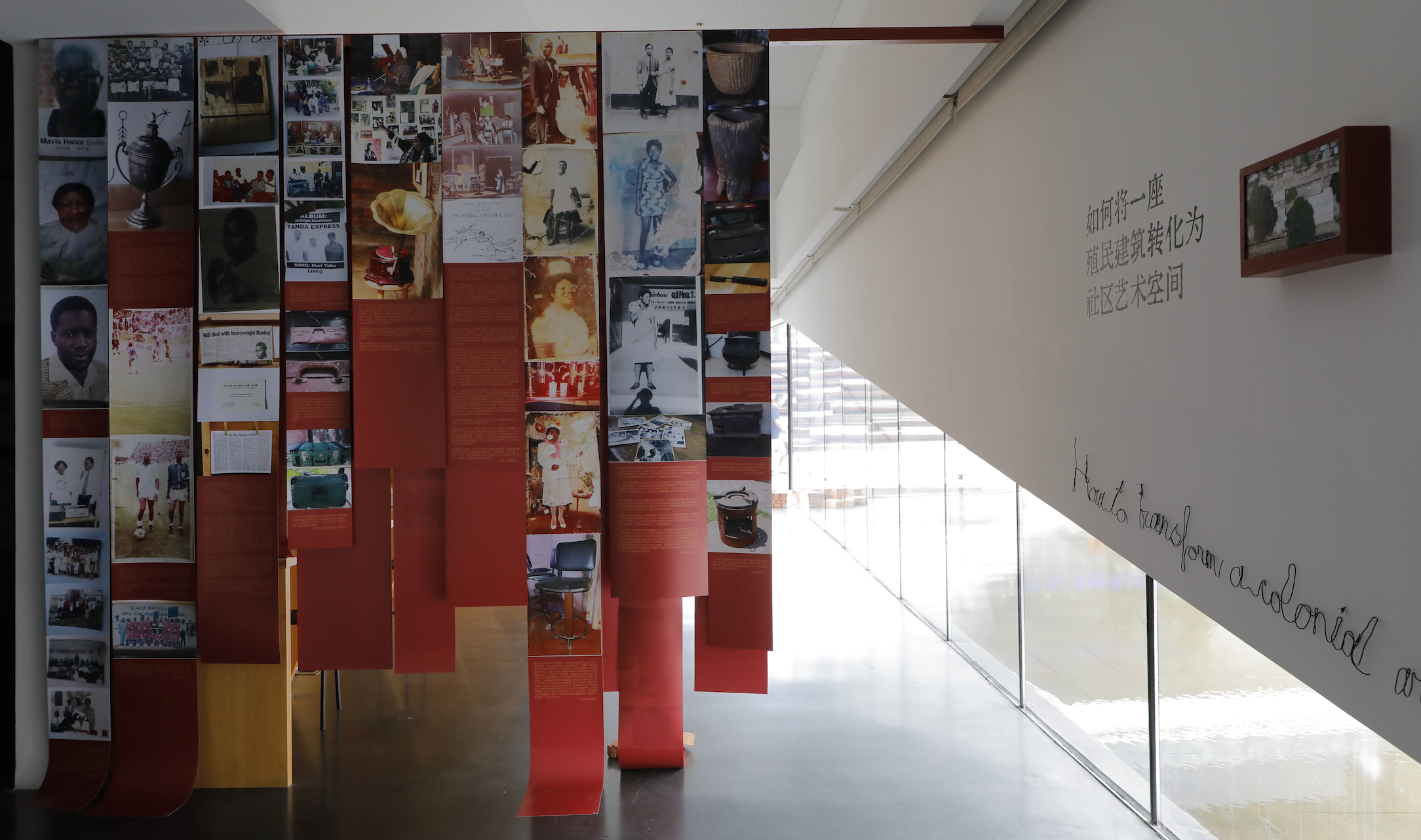
If These Walls Could Talk is a project co-curated by myself and Zimbabwean artist Moffat Takadiwa. Comprising workshops, an artist residency, an exhibition, and a publication, the project took place in 2024 at Mbare Art Space (MAS), a community art space founded by Moffat. As the first public project initiated by MAS, “walls” functioned as both an inward-facing inquiry and an outward-facing invitation. Inwardly, the project asked: What exactly is this space, and how might it continue to exist? Outwardly, it invited the neighboring community to imagine the space’s past and future together, and to reorganize the spatial and social relations inside and outside the “walls.” From colonial architecture to community art space, the high red-brick walls may be read both as boundaries of discipline and control, and as infrastructure from which new possibilities can emerge. The project does not seek to provide definitive answers. Rather, it responds to a possibility through practice, thereby opening up a process through which the space continually redefines itself. In July, viewers will glimpse its silhouette beyond the glass walls of the Inside-Out Art Museum: if those walls elsewhere could talk, how might their voices be heard here and now, and what kinds of echoes might they stir?
In November 2018, just after Zimbabwe’s jacaranda season had ended, I traveled from South Africa to Harare for research. Since Moffat and several other young artists had their collective studio in Mbare, this neighborhood became the place I visited most often. At the time, what is now MAS was still known as “rags”, Marengenya in Shona, also referred to as Chiweshe, or as a leisure beer hall. Tall red-brick walls enclosed a space of nearly half a hectare, most of which had already fallen into disuse. One night, after an interview, I followed Moffat and two of his friends as they pushed open a narrow, heavy iron gate and entered the compound amid a sharp creaking sound. Semi-open pavilions stood scattered throughout the site; the ground was cracked, weeds grew from piles of rubble and corners of the walls, and benches left behind from the previous century were covered in dust. In this nearly ruined space, illuminated only by light from beyond the walls, Moffat described to me his vision for the future: which areas would become studios, how convenient the space would be once water and electricity were connected, and what kinds of activities might be held there. Only several years later, as I began to understand the history of these buildings and the surrounding community, did I realize what that moonlit moment had meant.
Mbare is located near the old industrial district south of the city center. It was the first “African Location” (later renamed a township) established in Harare after the colonial government promulgated the Native Urban Locations Ordinance in 1907. As in other colonial cities in Southern Africa, Harare was planned and spatially organized according to the principles of racial segregation from the very beginning of its urban development. White settlers occupied the city center and areas with well-developed infrastructure, while African and other non-white laborers were confined to densely populated settlements with poor living conditions. Almost simultaneously with the establishment of Mbare, a system of alcohol control known as the “Durban System” was also introduced. The colonial authorities incorporated alcohol consumption into racialized governance. By monopolizing the production and sale of traditional African beer, they turned municipal beer halls into the only legal places where African people were permitted to drink. As an important source of municipal revenue, this system became an economic engine that reinforced racial segregation, as well as an infrastructure for managing workers’ leisure time, disciplining social life, and organizing urban order.
The municipal beer outlets scattered across different communities in Harare are material remnants of this colonial system. As architecture designed to serve control, their spatial logic remains clearly legible: towering red-brick walls strictly separate inside from outside, while narrow entrances and enclosed layouts guide, restrict, and regulate people’s movement and gathering. Here, the wall is not merely an architectural element, but a technology of spatial governance. It determines who is allowed to enter, from where one may enter, and what kinds of activities may take place within. Yet the establishment of a power relation often also gives rise to forms of resistance against it. Existing alongside the official beer halls were shebeens hidden within the lanes and neighborhoods. Many women sustained their livelihoods through the private brewing and selling of beer, and these shebeens gradually became important spaces for political discussion, cultural activity, and social connection. Boundaries between the private and the public, the household and the community, were continually overlapped and reconfigured in these spaces. In the face of colonial police raids and suppression, what sustained these places was often not brick walls, but relations of proximity between people: shared information, networks of mutual care, and tacit ways of negotiating with the system. It was within this human infrastructure that the community created another kind of public space. A vast and rich social life that could not be contained by high walls continued to grow within the folds of grand historical narratives, shaping residents’ memories, understandings, and imaginations of the community.
As the COVID-19 pandemic spread across the world, Zimbabwe’s lockdown measures further compressed the already limited space for public art. Yet artists in Harare once again transformed crisis into an opportunity to organize communities and build collective spaces. In different parts of the city, artist-led collective studios, community spaces, and public activities began to emerge, weaving together networks of artistic creation, exchange, mutual support, and everyday life amid uncertainty. When I returned to Mbare in 2021, the space before me had changed completely. The once-abandoned pavilions had been converted into studios; artists had used plastic woven fabric and discarded materials to repair and decorate the site; the air was filled with the busy sounds of cutting, drilling, conversation, and music. Inside the studios were piles of artworks, tools, pots and bowls, and unfinished plans. This was not only a place for artistic production, but also a site where artists lived, shared resources, exchanged knowledge, and passed on experience. Yet once the initial phase of construction came to an end, more difficult questions began to surface. Moffat and another co-founder of MAS, architect Nora Müller, were soon surrounded by the everyday demands of running the space: repairing the buildings, raising funds, maintaining networks, supporting young artists, and communicating with the community. It was in this context that they invited me into the conversation, to consider a more fundamental question: What exactly is Mbare Art Space?
The transformation from colonial beer hall to community art space is far more than a redefinition of architectural function. What, then, does this transformation mean? How is it connected to the history and memory of the space itself and of the community in which it is located? How can the high walls that once served segregation and control avoid becoming new boundaries in another context? In an area that has long lacked public art institutions, how can MAS establish genuine connections between public life inside and outside its walls, rather than being perceived as an “external space”? In other words, how can a space converted from colonial ruins become not merely an enclosed workplace for artists, but a more open form of infrastructure: a place that creates encounters, shares knowledge, builds relations of proximity, and imagines the future together with the community?
If These Walls Could Talk was born out of these questions. It is not an exhibition-centered project, but rather a series of collective practices organized around space. At the end of 2023, we launched an open call inviting Mbare residents to bring objects and stories that carried personal memories and community histories. The subsequent Artefacts & Storytelling workshop allowed memories that had previously been scattered across individual and family life to enter public space. The wire-car workshop brought childhood games, handcraft, and collective action from these urban neighborhoods back into the streets. Many residents who had lived nearby for a long time, especially women residents, entered the space for the first time. People from different generations sat together, telling and listening to one another’s memories of the city. Through these shared practices, the histories that the “walls” had witnessed and carried, yet had long kept silent, were reactivated, and the space became a site for collectively creating memory.
At the same time, two resident artists conducted research and developed works around the history of the MAS building. Starting from the colonial beer monopoly system and the gendered, labor-related, and resistant experiences associated with it, they created works that responded to both the space and the project itself. The exhibition also became the beginning of another form of public discussion. Community residents who had participated in the workshops returned to the site, connecting the histories presented in the works with their own lived experiences and sharing their interpretations and reflections with the artists and other practitioners. In this setting, “contemporary art” re-established its relationship with the community and with everyday life. Nor did the stories of the “walls” end with the project. Film screenings, public discussions, and community gatherings continued to take place here. A mural completed through a collaboration between MAS and art schools chose not to depict historical figures or cultural celebrities, but instead painted elderly community members who had participated in the project on the exterior wall of the space. The wall that had once been used to divide inside from outside could also become a medium connecting the two.
The wall has not disappeared, but the power relations and spatial logic it once carried have begun to loosen. The relationships between the space and the people inside and outside the walls, between history and the present, and between art and the community are continuing to change. The founding of MAS does not signify a smooth transition from oppression and enclosure to independence and liberation. On the contrary, the colonial system never fully determined how people lived. The social networks of the shebeens, local knowledge, and the stories and memories that continued to circulate have always grown beyond and between the walls. Today, MAS also faces new realities: sustainability, infrastructural support, the influence of market logic, the risk of institutionalization, and the question of how to sustain its relationship with the community. It still needs to continually reimagine and reinvent itself through ongoing processes of collective storytelling, collective remembering, and collective creation. Perhaps it is in this sense that If These Walls Could Talk is both a work about history and a work about the future.
What is presented at the Inside-Out Art Museum is an extension of this project and a dialogue with the Chinese context. Through workshop archives, historical materials related to colonial architecture and the beer monopoly system, and selected artistic responses, the exhibition presents this exploration centered on “walls.” In recent years, artists in different communities across Harare have been spontaneously establishing spaces and platforms, gradually transforming the city’s cultural landscape. Yet such practices did not begin only in the present; they have their own genealogy within Zimbabwean art history. Beijing and Harare differ greatly in their historical conditions and artistic infrastructures, but artists in both contexts continue to explore the boundaries of their respective times, attempting to open up different spaces beyond existing orders. When experiences from different places encounter one another here, If These Walls Could Talk may no longer be merely a story about one building or one community. Instead, it asks a more open question: Why do people always create new spaces, and how do they reorganize relationships and imagine other possibilities through these spaces?
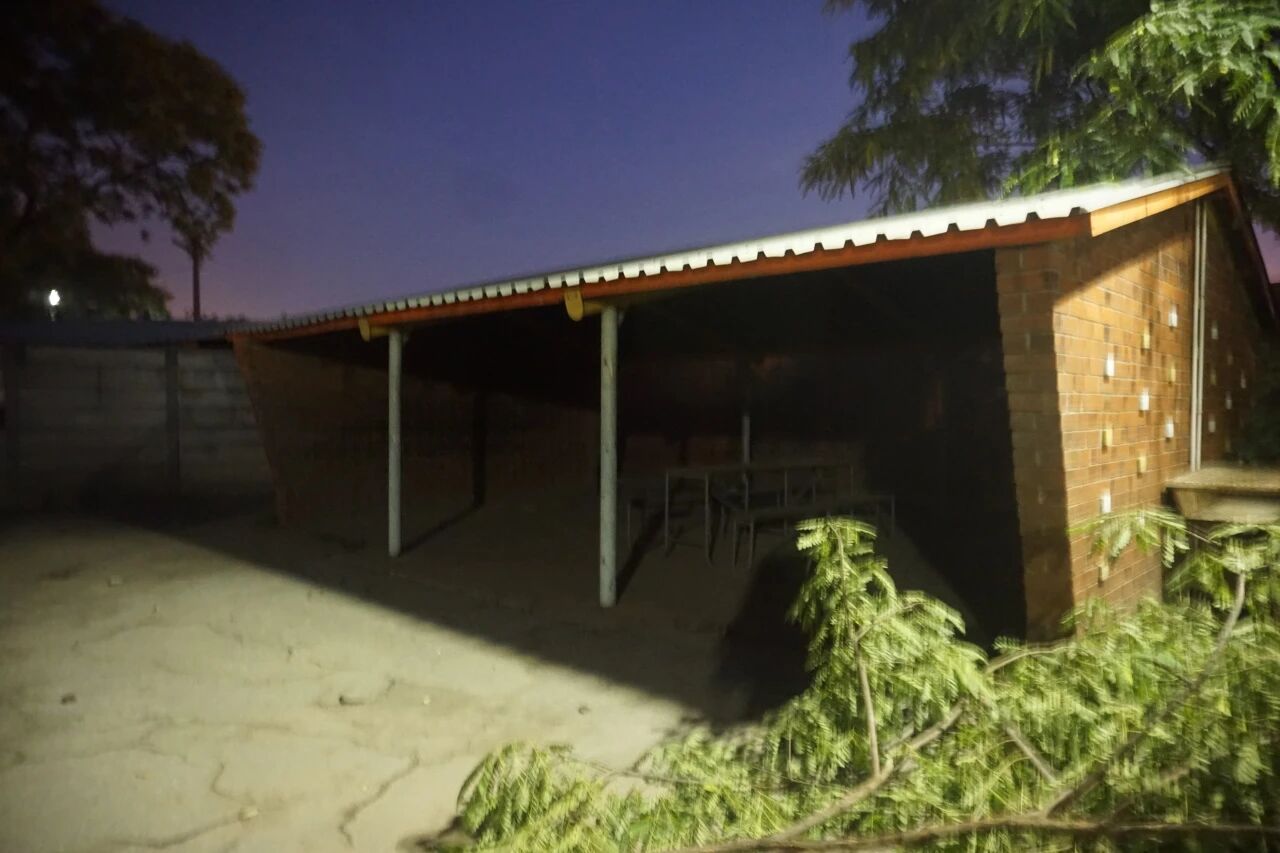
Detail of Chiweshe Bar, 2018. Photo by Lifang Zhang
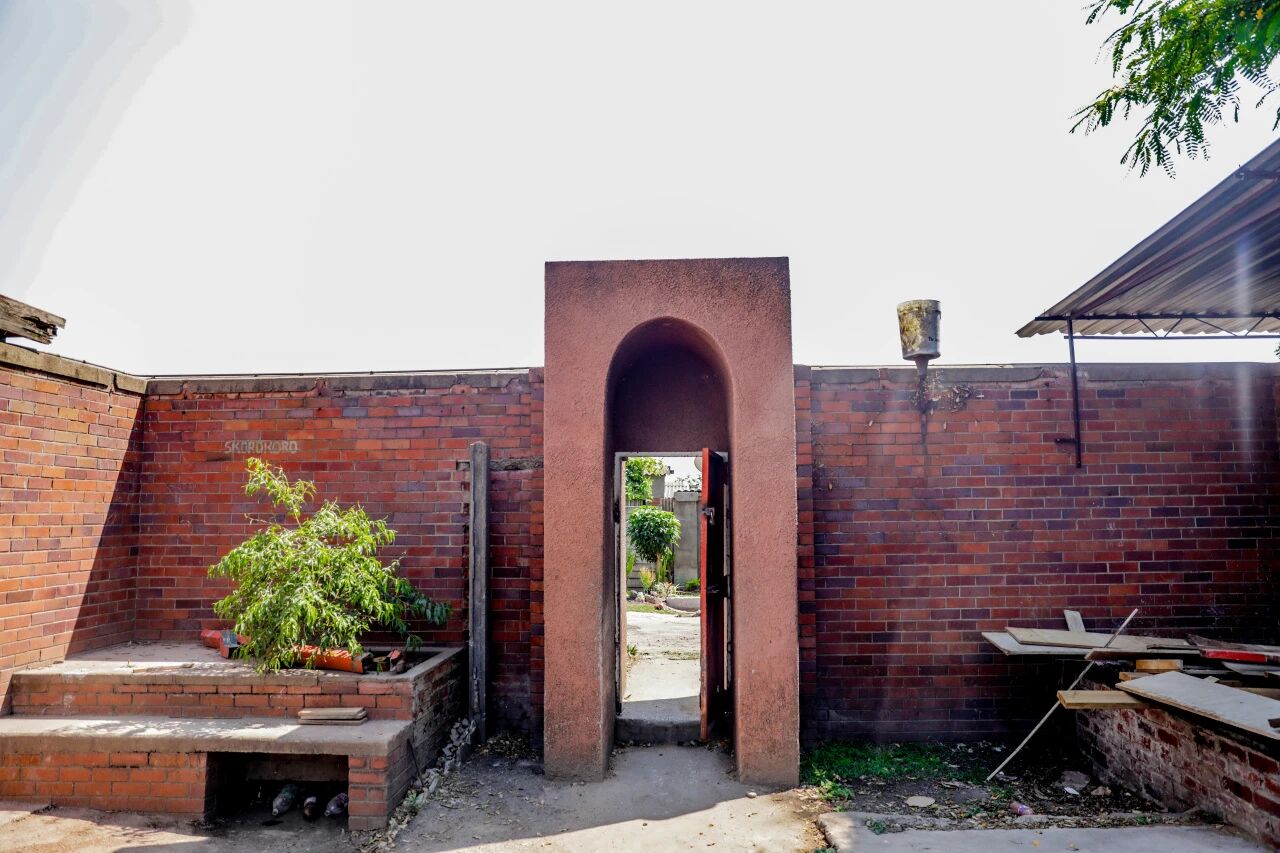
Beer Hall Architectural Features. Courtesy of Mbare Art Space
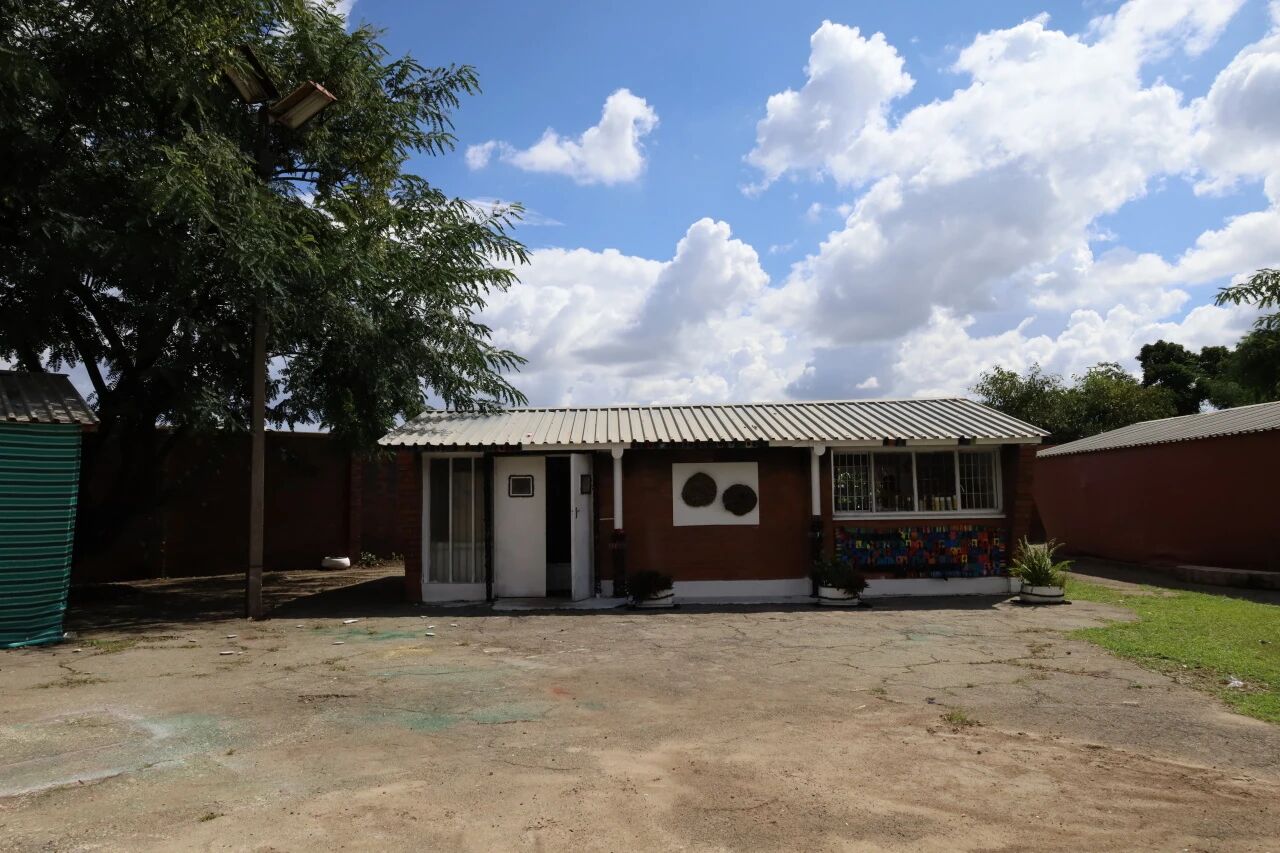
Mbare Art Space, 2021. Photo by Lifang Zhang
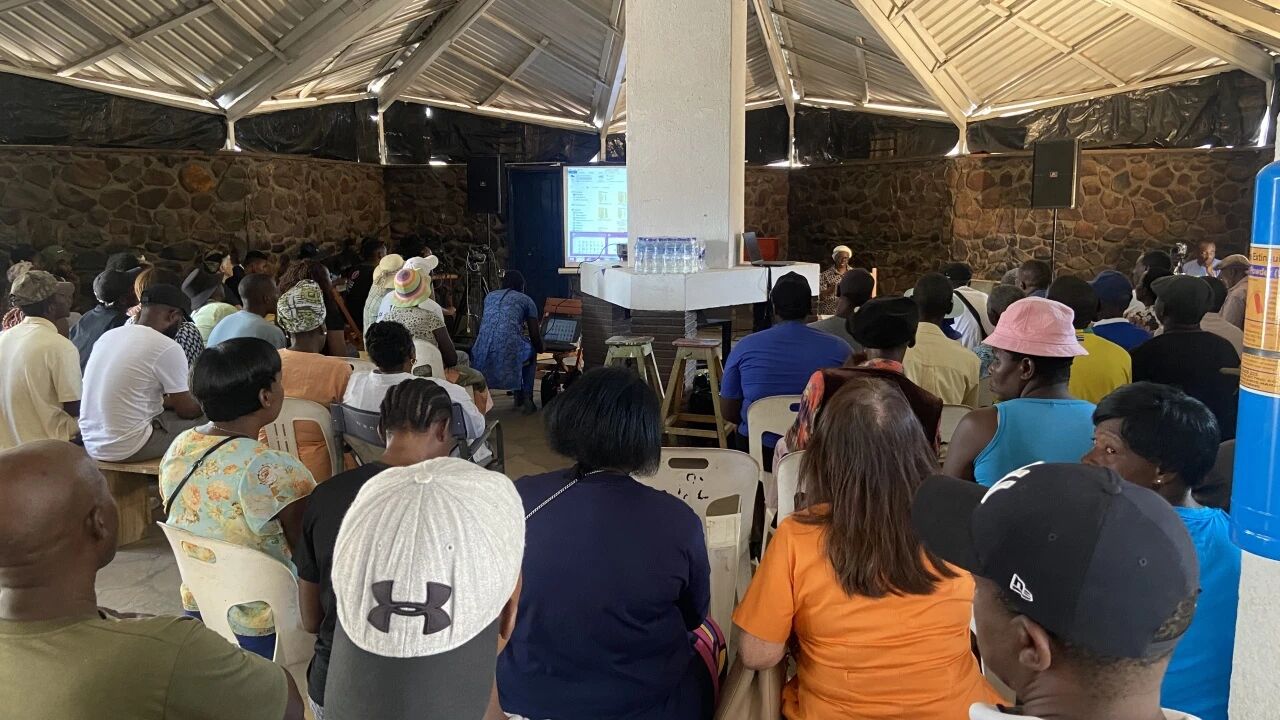
Artefacts & Storytelling workshop. Photo by Uniwue Picture. Courtesy of Mbare Art Space
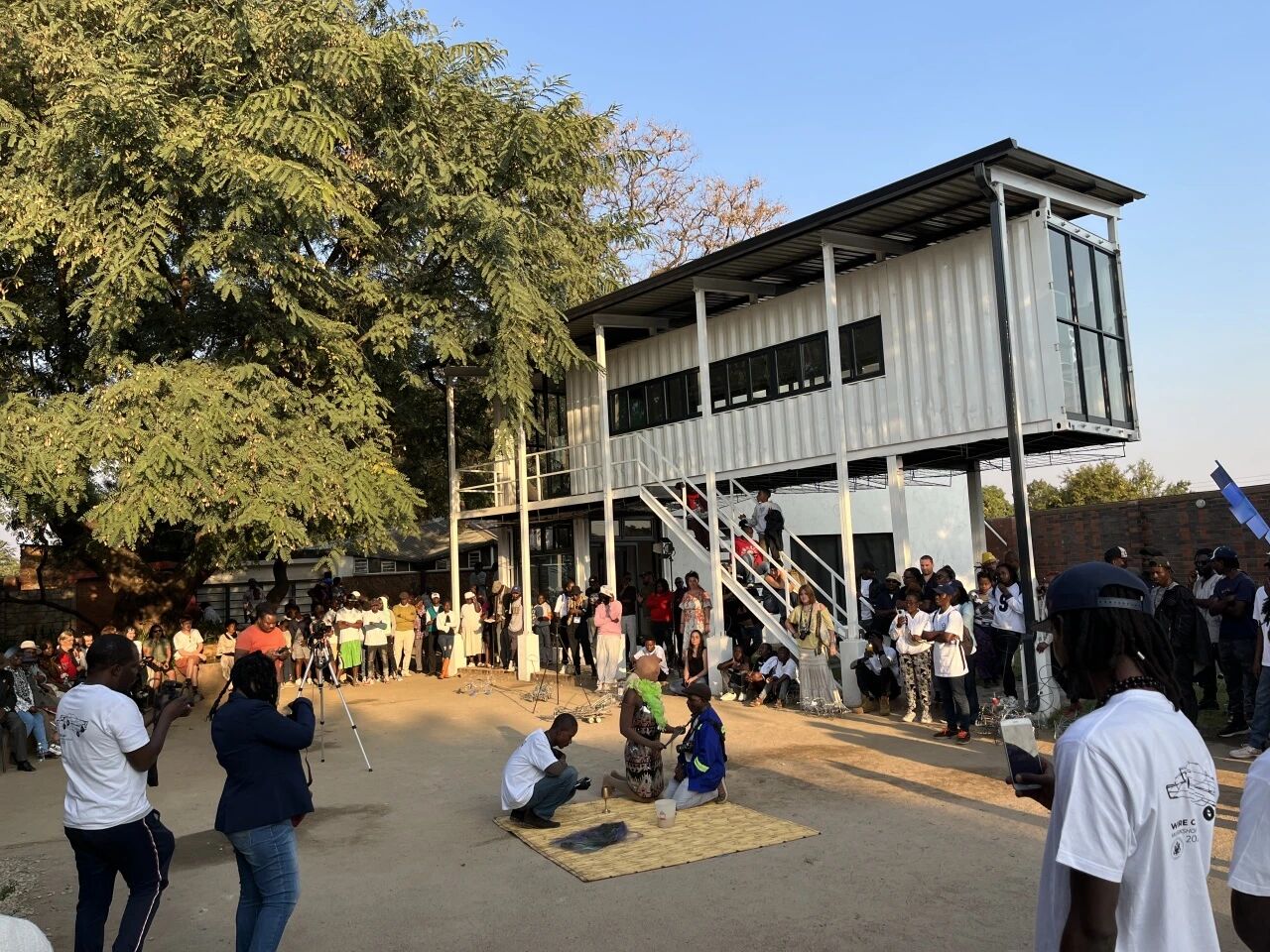
Exhibition opening. Photo by Nora Müller
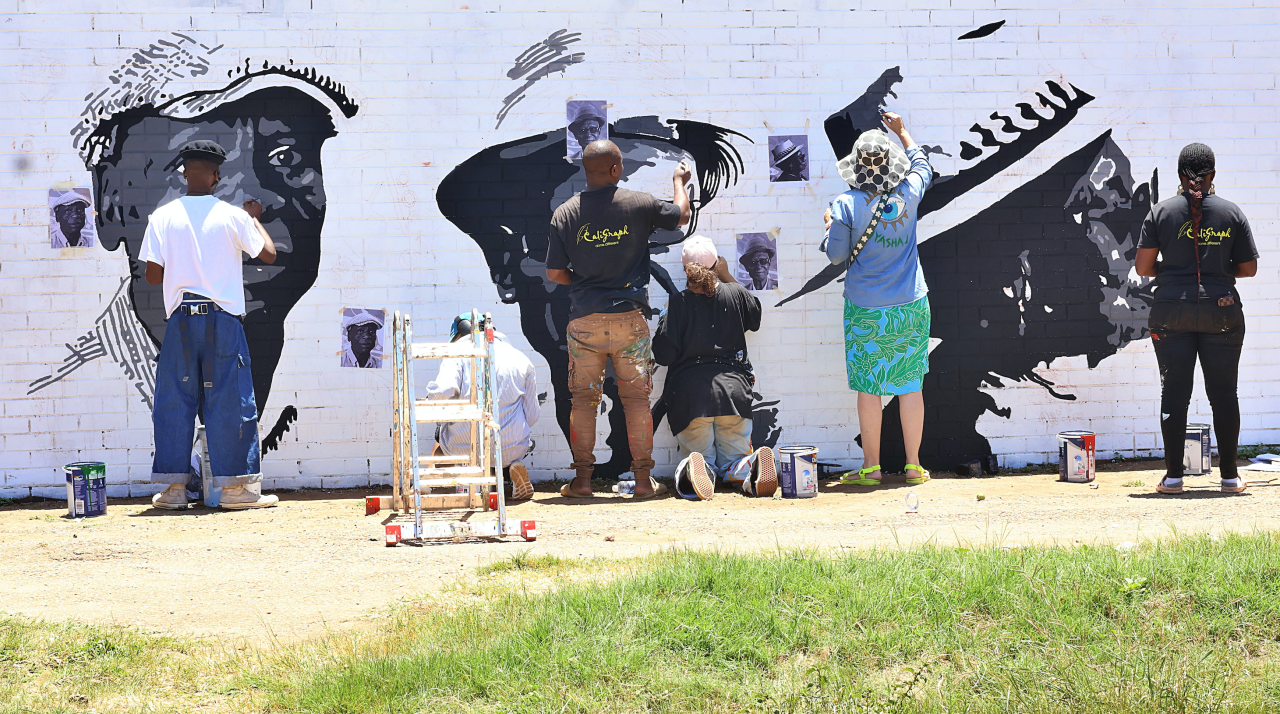
Mural created in collaboration between Mbare Art Space and students from the Department of Fine Arts, Stellenbosch University, featuring portraits of Edgar Maratu, Langton Mutasa, and Gogo Savhanu. Courtesy of Mbare Art Space
Curators

Lifang Zhang
Lifang Zhang is an art historian and writer based in Beijing. She is currently a Postdoctoral Fellow at the Tsinghua Institute for Advanced Study in Humanities and Social Sciences (TIAS). She received her Ph.D. in Art History from Rhodes University, South Africa. Her research focuses on contemporary African art and Afro-Asian artistic engagements. She has curated and co-curated research-based art projects, including Viable Visions: Retrospective of Martin Abasi Phiri (1957-1997) in Lusaka and If These Walls Could Talk in Harare.
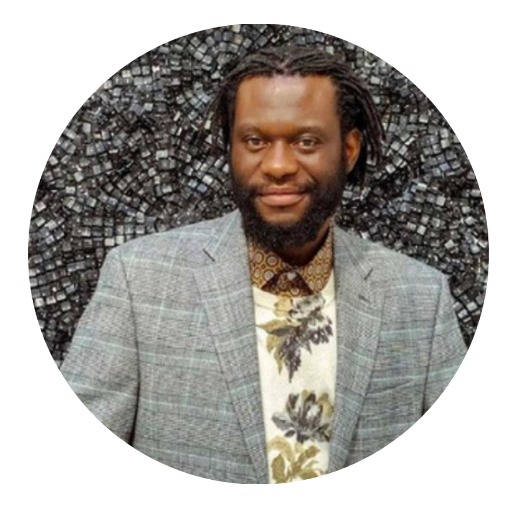
Moffat Takadiwa
Moffat Takadiwa is an artist and curator based in Mbare, a suburb of Harare, Zimbabwe. His practice engages with issues of consumerism, social inequality, postcolonial experience, and the environment, employing reclaimed materials and discarded objects to explore the relationship between material transformation and social reality. In 2023, the National Gallery of Zimbabwe presented a major solo exhibition of his work. In 2024, he held his first solo exhibition at a French public institution, Galerie Édouard Manet in Gennevilliers, and represented Zimbabwe at the 60th Venice Biennale. His work has been exhibited internationally at major institutions, including Craft Contemporary in Los Angeles, the exhibition curated by Jeffrey Deitch and Gagosian at the Moore Building in Miami, ARoS Aarhus Art Museum, the Museum of African Contemporary Art Al Maaden (MACAAL) in Marrakesh, and the Arnhem Museum, among others.
Exhibition Photos


View the Exhibition Online
Exhibition Information
Exhibition Date
July 11–October 11, 2026
Exhibition Time
Wed.-Fri. 11:00-18:00
Sat.-Sun. 10:00-18:00
Last Entry
17:30
Exhibition Location
Beijing Inside-Out Art Museum, No.50 Xingshikou Road, Haidian District, Beijing
Ticket Price
Regular Ticket: 20 RMB per person
Concession: 10 RMB per person
Concessions applied to the following audience members:
Students and teachers, with student ID and teacher ID.
Language
Chinese, English
Barrier-free Access
We provide barrier-free access. Please make an appointment by telephone in advance. Tel: (010) 62730230
主办方