
At some point, reality itself began to change, along with our bodily sense of being in it. Over the past few years, what seems to have receded is not only normality, but a shared public sense of time. Reality slipped out of the order that had once been taken for granted, yet it did not stop. It kept moving, as if disruption had become one of its rules. This shift can be traced back to the collective experience of suspension, restriction, isolation, and interruption that began in 2020. The wars and geopolitical conflicts that followed only intensified this atmosphere. Crisis, tension, and fear have gradually settled into everyday life, making us more conscious of our own powerlessness and constraint. Six years later, the pandemic may no longer define the present, but the blockage it produced has hardened into disappointment, estrangement, and indifference. The future no longer appears as a horizon moved by hope. It has become a process in which we remain caught. Reality, in this sense, begins to resemble an accident without an end: no longer a single event, but a structure; no longer a temporary interruption, but a condition that has become the ground of everyday life.
That we now find ourselves living within the logic of accident is itself no accident. The accident is not merely something that happens inside modernity. It is one of modernity’s own products, and one of the forms through which modern life has become globally shared. In Chinese, the word shigu (accident) did not originally mean “accident” in the modern sense. It referred more broadly to the cause, circumstance, or reason from which an event arose. Its contemporary meaning—an unexpected incident involving damage, loss, and responsibility—only began to take shape in the early twentieth century, alongside the expansion of railways, aviation, industrial production, and automobile traffic. Later, as accidents circulated through mass media, they entered everyday perception, shaping how people sensed danger, understood reality, and imagined their relation to distant events. This semantic shift was not unique to Chinese. Modern society organizes itself through speed, efficiency, and control. Yet the very systems that promise order and predictability also produce their own forms of breakdown. This is the structural place of the accident in modernity. For French philosopher Paul Virilio, the accident is not an external failure that befalls technology after the fact: “When you invent the ship, you also invent the shipwreck; when you invent the plane, you also invent the plane crash; when you invent electricity, you also invent electrocution…” If we examine the conditions that make an accident possible, speed almost always appears at the center. Speed increases force, compresses the time available for judgment, and magnifies the scale of damage. Yet it is also one of the most seductive forces of modern civilization. Its attraction lies not only in the bodily intensity it produces—the quickened heartbeat, sharpened attention, heightened senses—but also in the way it expands the imagined limits of the body. Speed allows us, however briefly, to move beyond the friction of reality and attach ourselves to the promises of progress, control, and the future.
An accident may be understood as the sudden arrest of speed: a moving body violently stopped by an external force. Han Song’s science-fiction novel High-Speed Rail, written between 2007 and 2010, opens with such a train accident. Yet the novel quickly turns away from the moment of impact. What matters is what comes after. A vehicle built for movement becomes a closed system from which no one can escape. The accident itself is absorbed back into the system, becoming part of the mechanism that allows it to continue running. In the afterword, Han Song situates the novel within “the years in which China’s high-speed rail was born, learned to walk, and grew rapidly.” He identifies 2008 as a crucial moment. On August 1 of that year, China’s first high-speed railway, the Beijing–Tianjin Intercity Railway, began operation, with a designed speed of 300 to 350 kilometers per hour.²
For a long time, speed was not only a technical condition. It was a dominant way of experiencing reality. In an extremely compressed span of time, people lived through urban expansion, the circulation of capital, the spread of the internet, the formation of consumer society, and the forces of globalization. These processes did not unfold one after another. They arrived almost simultaneously, pressing themselves onto reality and rapidly reorganizing history, institutions, values, and everyday life. Everything was set in motion in the name of “the future.” For a time, the future was the force that carried us away from the past. It gave legitimacy to the present and promised a tomorrow still to come. Around 1992, as the market economy was formally established as a national objective, the terms by which reality was organized also began to change. Older forms of experience, relation, and judgment were increasingly reorganized through market logic, mobility, competition, and individual choice. They were quickly given new appearances.
By around 2008, this logic was no longer simply a transformation underway. It had become the default condition in which a generation came of age. Those still growing up at that moment seemed to have been born onto a train already in motion, accelerating as they grew. On that train, the real accident always appeared to remain outside the window, rushing backward like history itself. We had heard of many ruptures, but had not truly felt their force, because the carriage was also a structure of protection and comfort. Yet speed was never merely external. It shaped perception from within, forming our expectations of the world and of ourselves. When the promise of futurity begins to fail, the accident returns in another form. It no longer appears only as an event of destruction, but as a sign through which destruction and reorganization become difficult to tell apart. Reality and imagination begin to blur.
This is where the accident truly begins to spread, and to lose its form. Accident repeatedly places the individual in a passive condition. We are forced to continue after something has happened, and to search for meaning within circumstances we did not choose. As structural problems are increasingly translated into questions of personal ability, choice, and responsibility, the individual has less and less within their control. The body then becomes the last available site. Overwork, excess, self-pressure, and even actions that approach self-destruction are no longer simply symptoms of losing control. They become ways for the subject to sustain a fragile sense of agency. What cannot be changed in reality is pushed back into the body, where it is converted into a frail but tangible feeling of action. In his 1973 novel Crash, the British science-fiction writer J. G. Ballard depicts a group of people obsessed with car accidents. They pursue speed, sexuality, bodily damage, and deformation, seeking pleasure and reality at the accident sites produced by modern technology, and even experiencing collision as the only real experience they had known for years. What Ballard captured with disturbing precision was a tendency he saw emerging in British society in the 1960s: a “sensation-hungry, rather affectless landscape,” in which images of accidents that should have called forth sympathy and attention gradually ceased to provoke emotional response. He later described Crash as an exploration of this “nightmare logic,” and, in a sense, as “carrying out an autopsy before the cadaver was cold.”³ When accidents involving injury, pain, and death no longer appear as isolated contingencies, but as part of an unavoidable structure, they produce more than fear. They also trigger powerful responses in the imagination, even forms of extreme fascination. The subtle relation between the two words in the exhibition’s English title, Crash and Crush, points to this condition. Crash evokes collision, wreckage, and disaster. Crush carries the sense of being crushed or heartbroken, but also of sudden, overwhelming infatuation. Accident is no longer only an external force of destruction. It enters desire, the body, and perception from within.
Through layers of retelling and imagination, accident gradually becomes narrative. Detached from its specific context, it becomes less a concrete event than a device of emotional arousal and sensational charge. Living amid an unprecedented reality of multiple, overlapping accidents, we are confronted not only with the structural consequences produced by modernity itself, but also with impulses lodged deep within desire—impulses that are difficult to face directly. Accident first places the individual in a passive position. Injury, speechlessness, loss, grief, and anger all begin as responses to something one has been forced to undergo. In this sense, they also mark the first stirrings of agency. Yet as accident spreads, it is also expanded, generalized, and abstracted. The moment it exposes a structure is often also the moment when that structure begins to reclaim the right to interpret what has happened. In the process of elaboration and identification, the problem itself becomes distorted. It dissolves into feeling, shock, and sensation. The abnormal becomes normal; rupture becomes everyday life; and reality, paradoxically, begins to lose its hold on us. More dangerously, pain, confusion, and psychic intensity may be severed from their relation to meaning. They may fail to become occasions for understanding reality, questioning life, or forming any sustained inner force. Accident, then, becomes a final warning. Before reality is fully absorbed into new vocabularies of explanation, we need to describe the position we occupy, and to recognize how, beneath the appearance of continuity, the substance of things has quietly changed.
We approach “accident” not simply as a theme, but as a way of naming the condition in which we find ourselves, and as an urgent perspective from which reality might be read again. The exhibition brings together works by 28 artists and collectives from China, South Korea, Thailand, Indonesia, Singapore, Georgia, and elsewhere. Beginning from the situation we inhabit in China, it opens onto other artistic contexts that carry related historical experiences and emotional structures. Although these artists work from distinct realities, their practices resonate with our present in different ways. Together, they reveal a structure of feeling that can be recognized across contexts. Their works do not treat accident as an external subject; rather, they register the internal pressure it leaves behind. The exhibition pays particular attention to artists of our own generation: those born and raised around the 1990s, many of whose works were made after 2020. Here, “generation” does not refer simply to age, but to a shared historical position within an ongoing process of accident. Through this perspective, we hope to attend to forms of pain, confusion, and psychic intensity that have not yet been fully absorbed, and to search, across different circumstances, for ways to describe reality anew and recover the possibility of action.
Accident may have already shaped our bodies, our language, and our inner life in ways that are difficult to measure. Yet within the accident there is also a sudden flash of the real. Technologies today seem to offer instant explanations for everything, but they remain unable to address questions that have sedimented in history and structure, or those that shape our actions beneath conscious intention. History reminds us, again and again, that an accident can destroy everything. It can also leave everything intact, precisely in the name of repair. This is why accident becomes a point of entry. It draws scattered forces into a single scene and compels us to follow those brief moments in which reality exposes itself. What it demands is a form of attention close to that of the detective: sharp, patient, and alert to broken chains of cause and effect. Such attention may allow us to understand where we stand within what appears fragmented, and to search, from within a passive condition, for forms of action that have not yet been absorbed. After all, what we need is not to return to a world before the accident—a world that perhaps never truly existed. We need, instead, to recognize the present we are living in: a reality in which the accident is still unfolding, and from which we may still begin to imagine a future that belongs to us. — Li Huiyi, Cao Liyao
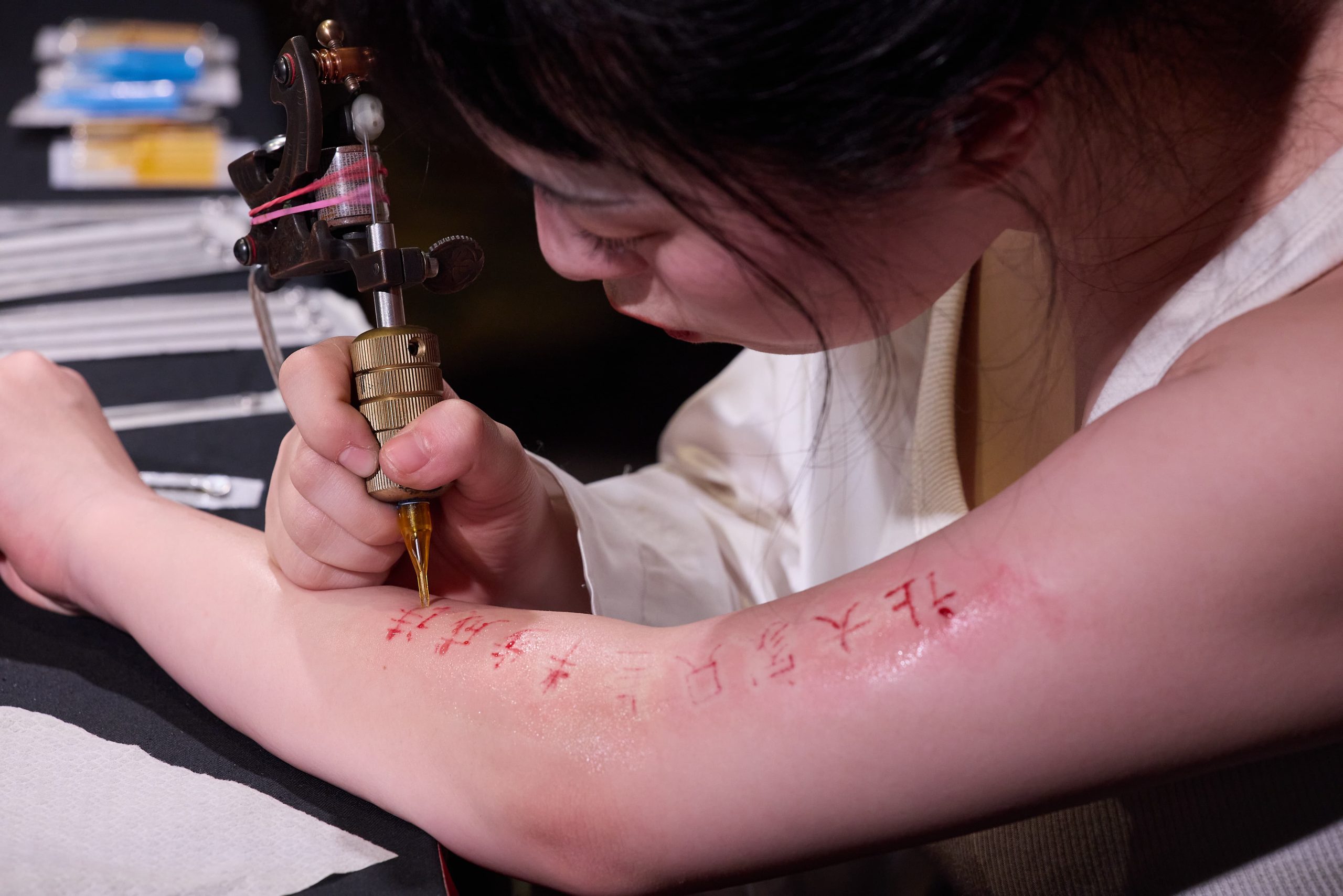
Half Step Away From Poetry
Li Duo, 2022–2025, Performance, video and photo documentation, 43 min 17 sec
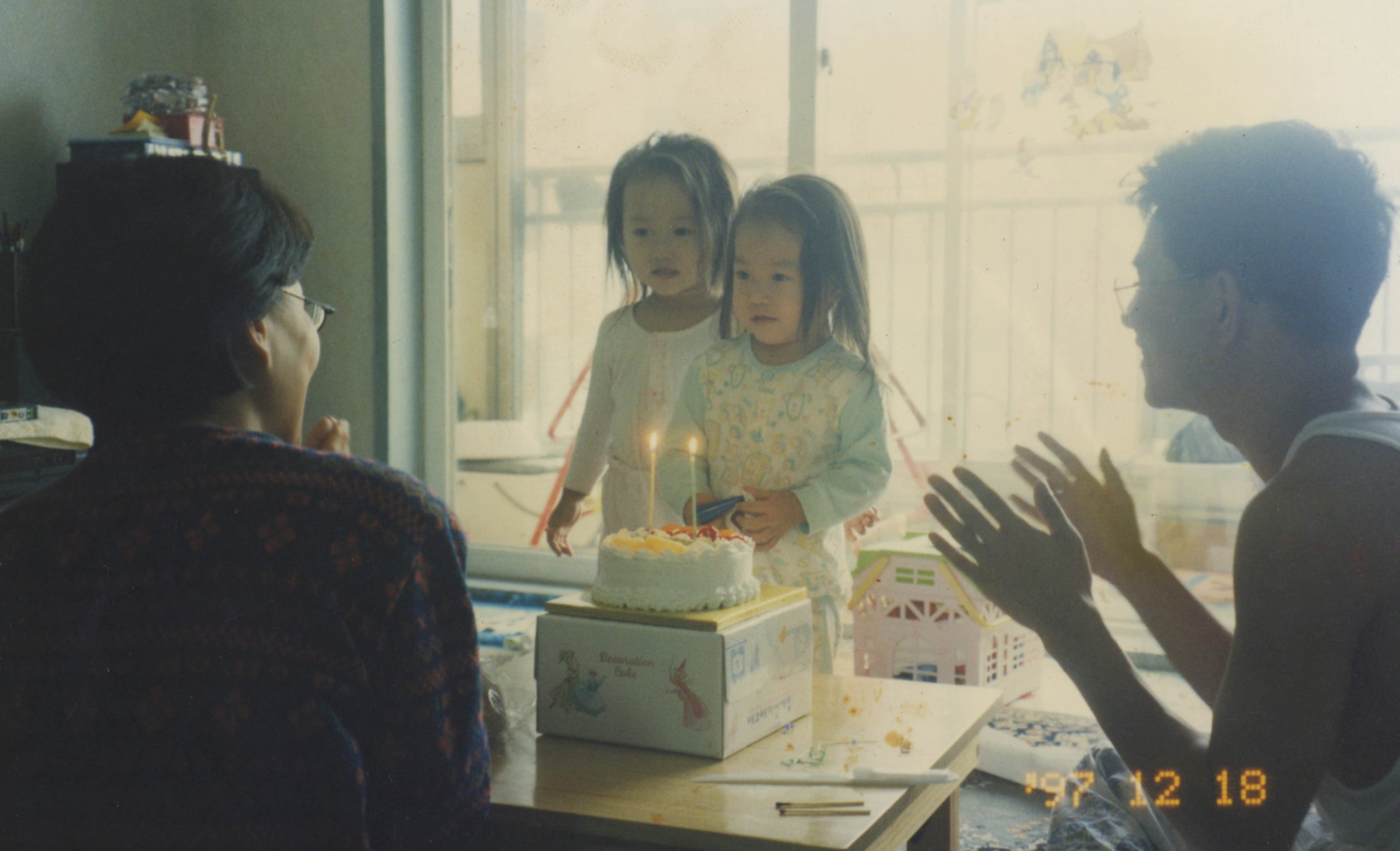
K-Family Affairs
Arum Nam, 2023, Documentary, 90 minutes
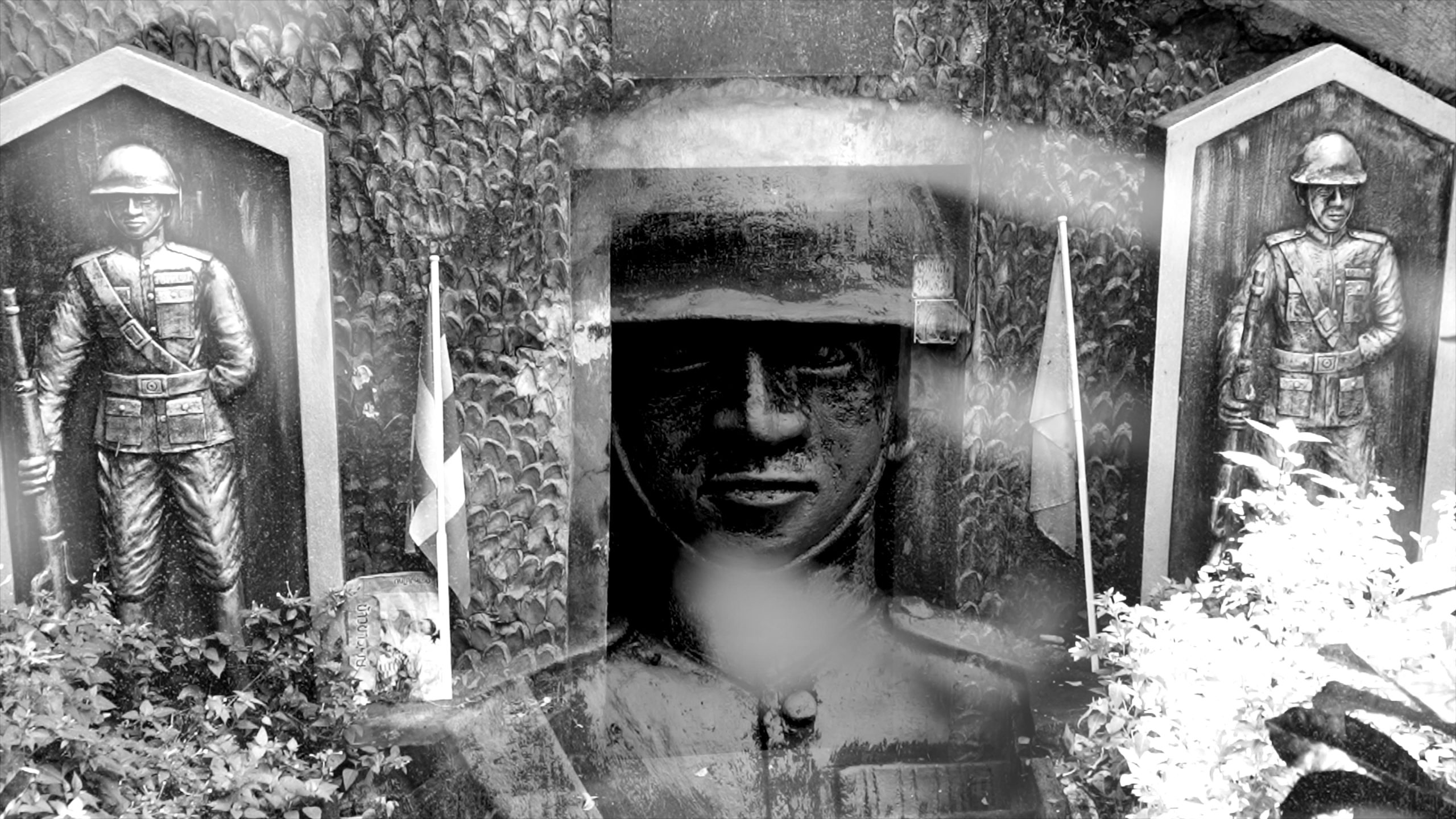
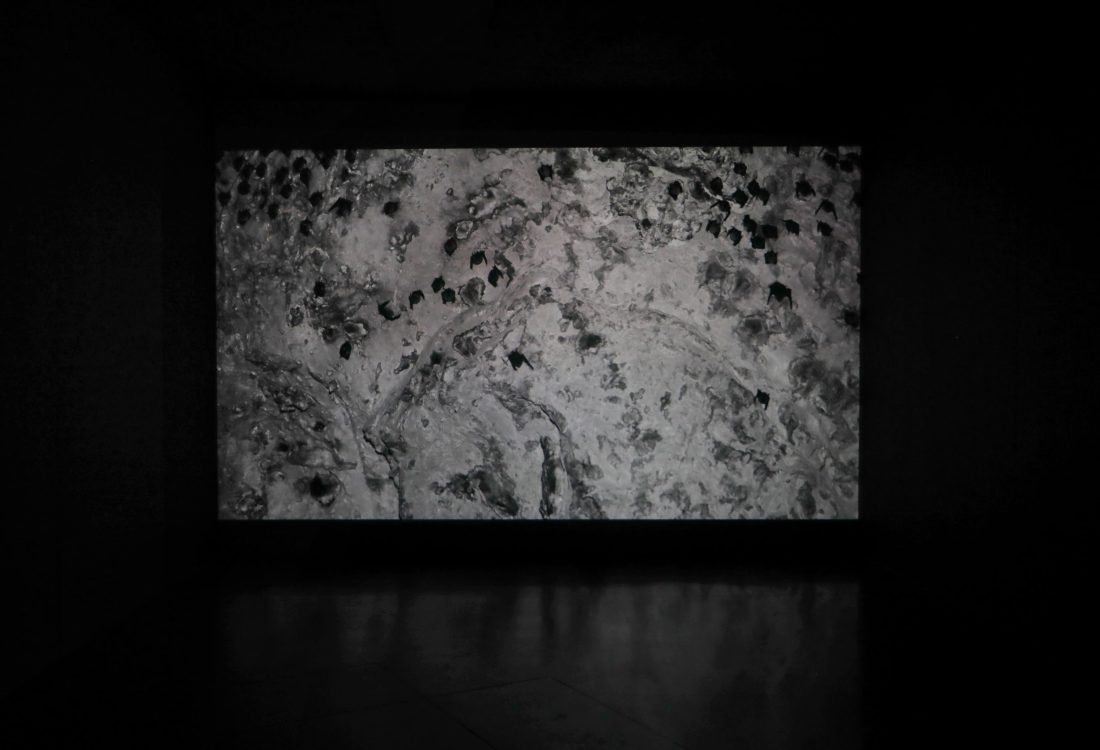
Seeing in the Dark
Taiki Sakpisit, 2021, Single-channel video (B&W and Color, stereo sound), 29 minutes
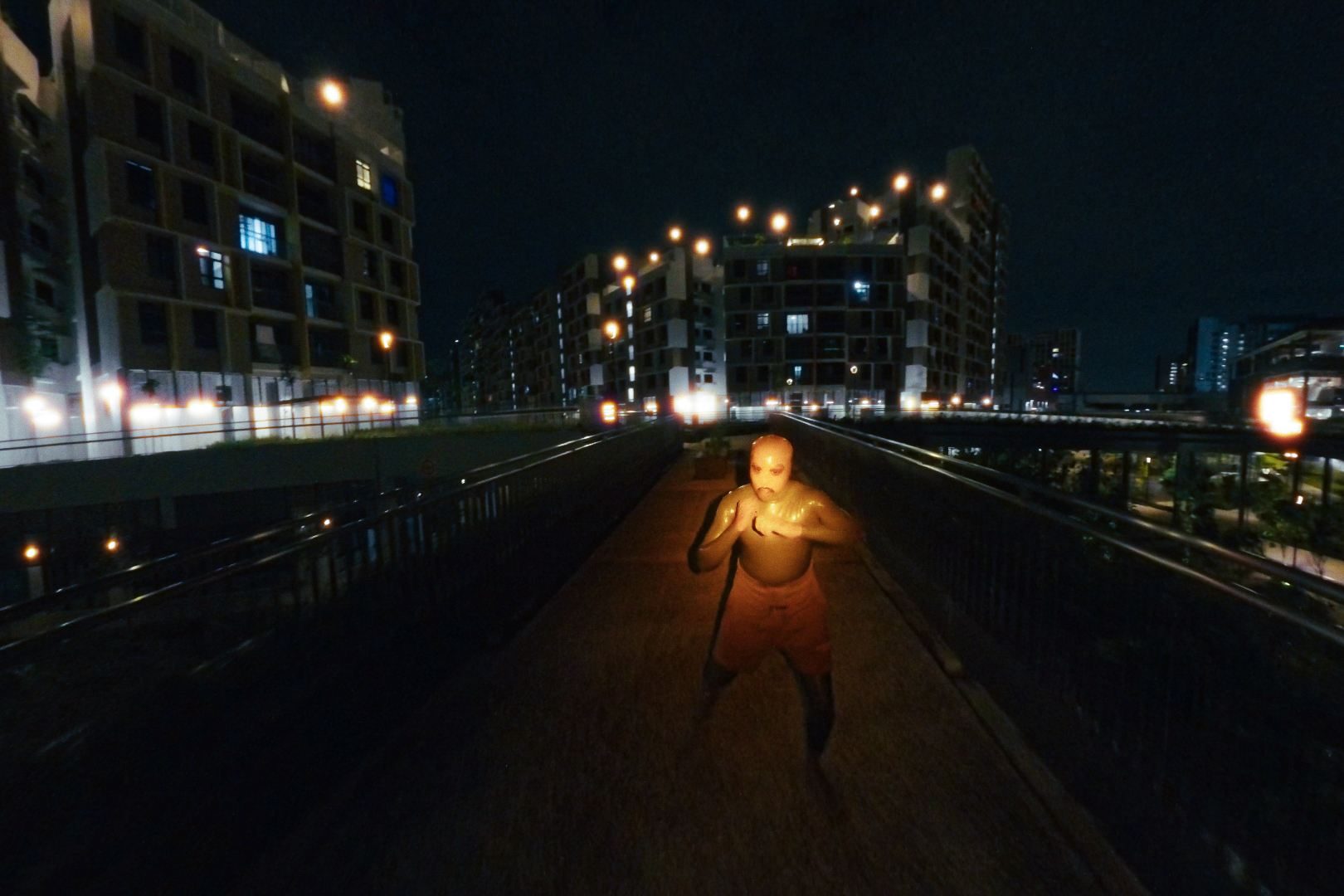
Rubber Dreams of Its Lifetime: Field Interviews
Bart Seng Wen Long, 2025–present, Single-channel videos, 4 parts, 5–9 minutes each
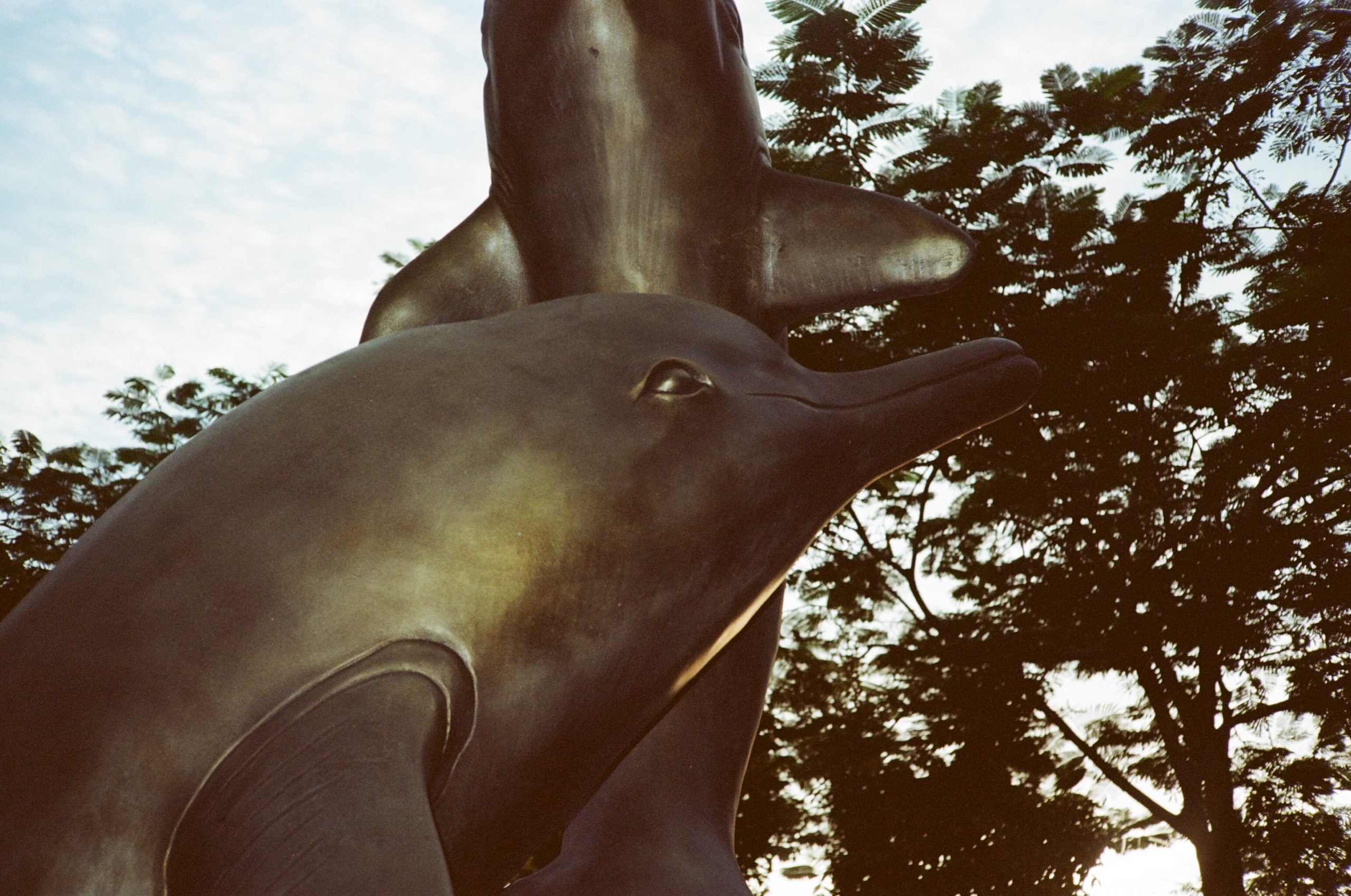
Spots
Yuen Nga Chi, 2023, Photography, Dimensions variable
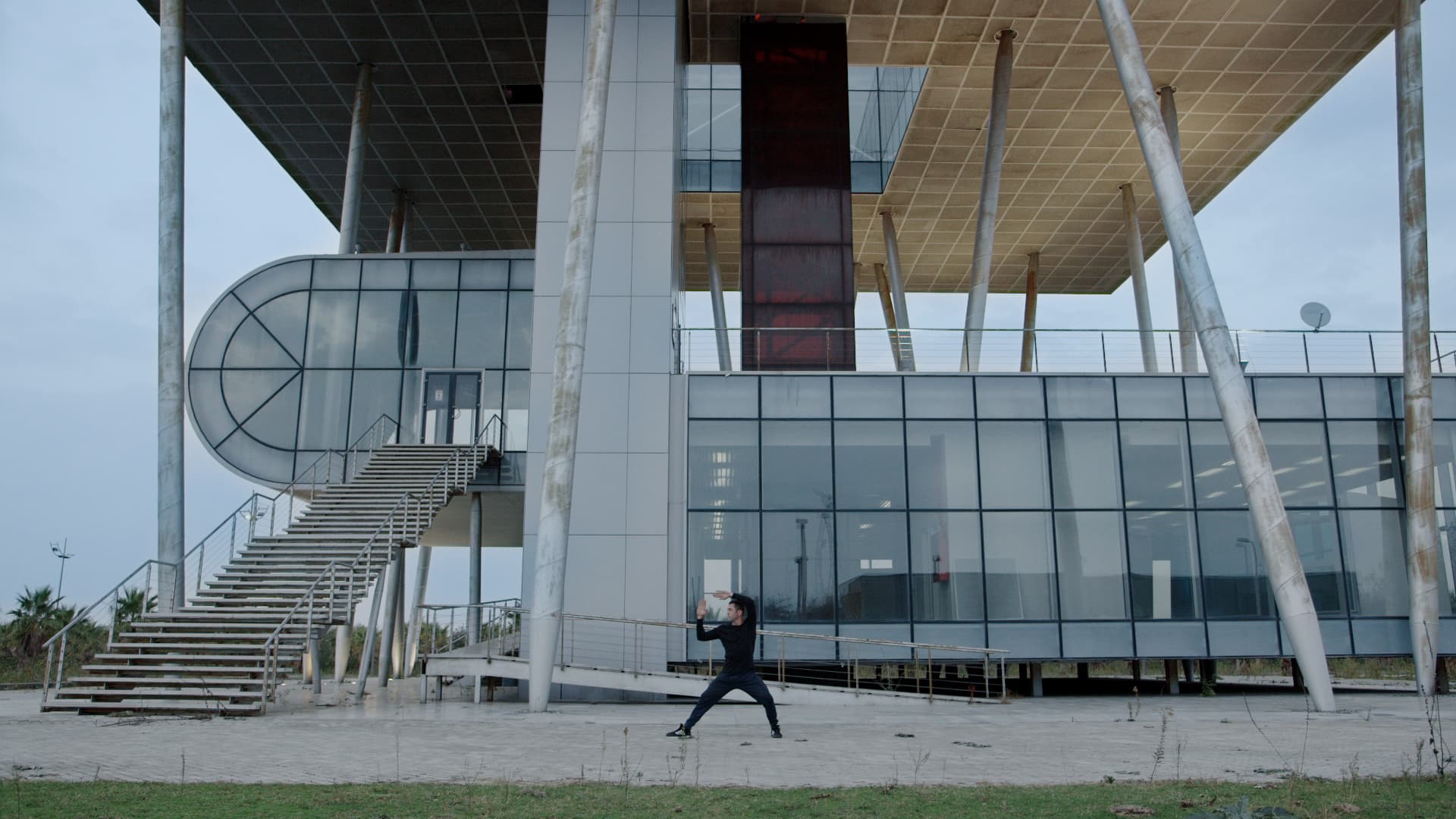
Scenes from Trial and Error
Tekla Aslanishvili, 2020, AVCHD digital film (color, sound) , 30 minutes
Curators

Li Huiyi
Li Huiyi is an Assistant Curator at Beijing Inside-Out Art Museum. Born in 1996 in Zhengzhou, she holds a BA from the School of Humanities at the Central Academy of Fine Arts and an MA in Sculpture from the Royal College of Art. She served as Assistant Curator of It Always Sounds Somewhere: Sounding Sound Practice in Chinese Mainland and Hong Kong Since the 1990s, and has contributed to exhibitions including When the Monster Is Speaking and Beauty Is Here: The Free World of Zhao Wenliang and Yang Yushu, for which she also edited the exhibition catalogue.

Cao Liyao
Cao Liyao is an Assistant Curator at Beijing Inside-Out Art Museum. Born in Beijing in 1997, she received her BA from the Business School of Beijing Normal University and her MA from the School of Humanities at the Central Academy of Fine Arts. She served as Assistant Curator for the exhibitions Setting the Tone of the Exhibition (prologue body) and Setting the Tone of the Exhibition (outside-in), and has contributed to exhibitions including Road to Enigma and Profundity: Guangshe and the Artistic Turn of Photography in the Early 20th Century. She is also a co-translator of the Chinese edition of Setting the Tone of the Exhibition – The Anatomy of Exhibition Openings (2026).
Exhibition Photos




View the Exhibition Online
Exhibition Brochure
Coming soon…
Exhibition Information
Exhibition Date
July 11–October 25, 2026
Exhibition Time
Wed.-Fri. 11:00-18:00
Sat.-Sun. 10:00-18:00
Last Entry
17:30
Exhibition Location
Beijing Inside-Out Art Museum, No.50 Xingshikou Road, Haidian District, Beijing
Ticket Price
Regular Ticket: 20 RMB per person
Concession: 10 RMB per person
Concessions applied to the following audience members:
Students and teachers, with student ID and teacher ID.
Language
Chinese, English
Barrier-free Access
We provide barrier-free access. Please make an appointment by telephone in advance. Tel: (010) 62730230
Sponsors