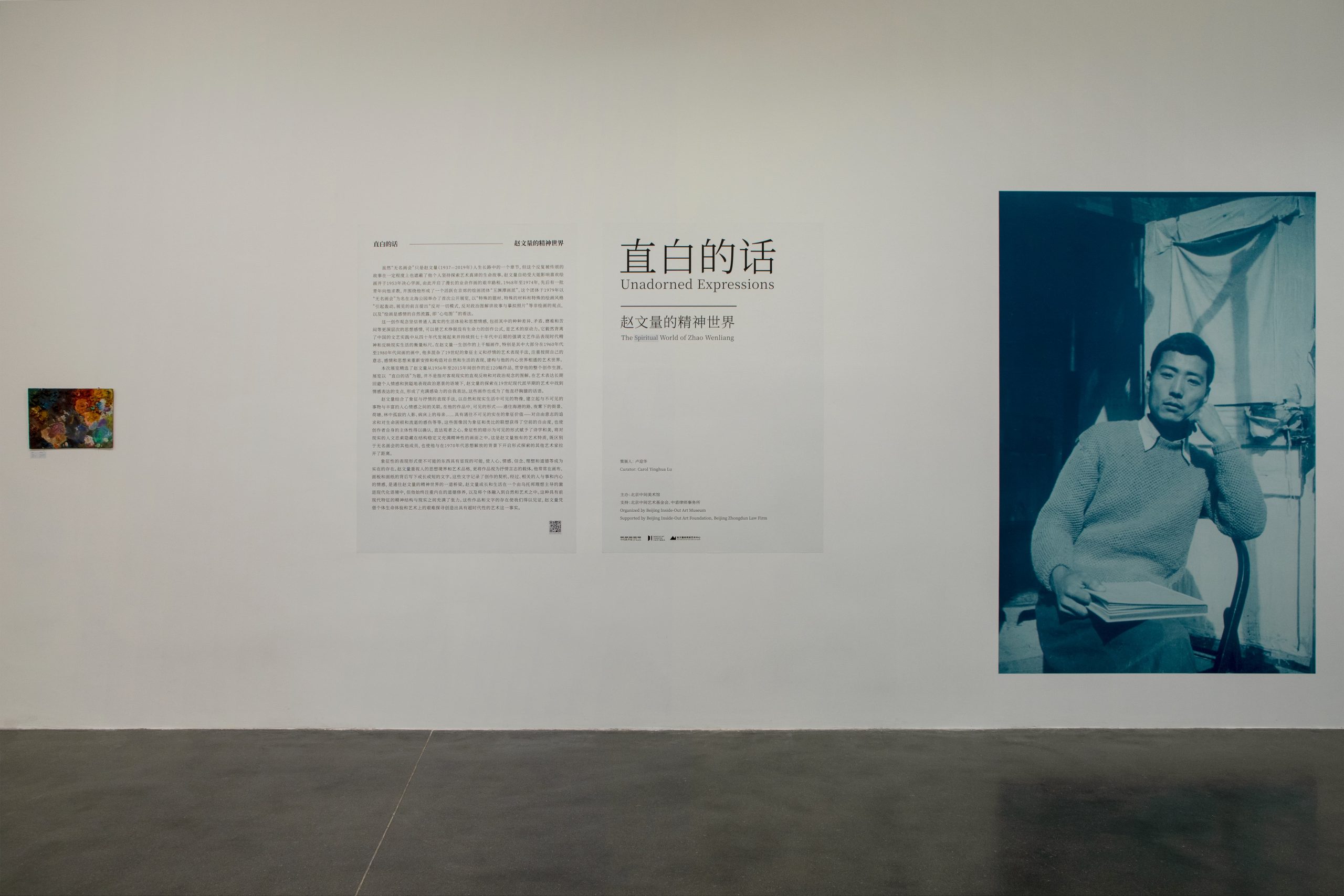
Although the story of the “No Name Group” occupies only one chapter in the long course of Zhao Wenliang’s life (1937–2019), the repeated retelling of this episode has, to some extent, overshadowed the broader story of his lifelong pursuit of artistic truth. Zhao Wenliang developed an interest in painting at a young age under the influence of his elder sister. In 1953, he made the decision to devote himself to learning art, beginning a long and difficult path as a self-taught painter. Between 1968 and 1974, a number of young people came to seek his guidance, gradually forming an active painting circle in the suburbs of Beijing known as the “Yuyuantan School of Painting.” In 1979, the group held its first public exhibition at Beihai Park under the name “No Name Group.” With its “unusual subjects, unconventional materials, and distinctive styles of painting,” the exhibition attracted widespread attention. The exhibition’s preface declared a clear stance: it opposed fixed artistic formulas, rejected political illustration and narration, and imitation of photographs, approaches considered external to painting itself. Instead, it proposed that painting should be a natural outpouring of emotion, something akin to a “cardiogram of the heart.”
This artistic philosophy held that the authentic life experiences and emotions of ordinary people, including their differences, conflicts, hardships, and frustrations, could free art from lifeless formulas and become the true driving force of artistic creation. Such a position stood in sharp contrast to the prevailing standards in Chinese artistic practice from the 1940s through the late 1970s, which emphasized the expression of the spirit of the age and the representation of social reality. Across the thousands of works Zhao produced throughout his life, particularly those created between the 1960s and the 1980s, one finds a blending of nineteenth-century Symbolism with lyrical modes of expression. Rather than depicting nature and life as they appear, Zhao reorganized and reconstructed them according to his own will, emotions, and reflections, building an artistic world that resonated deeply with his inner life.
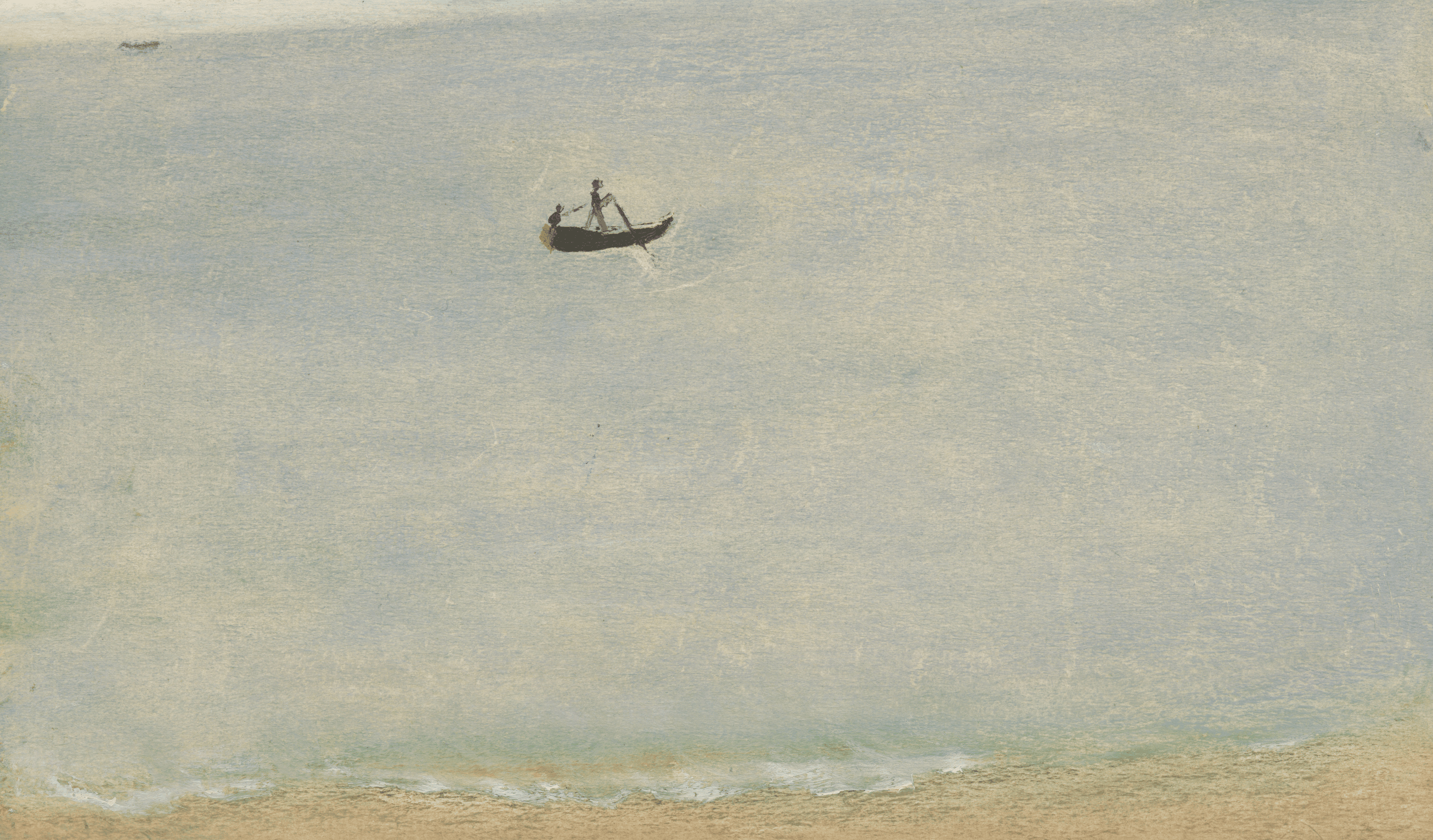
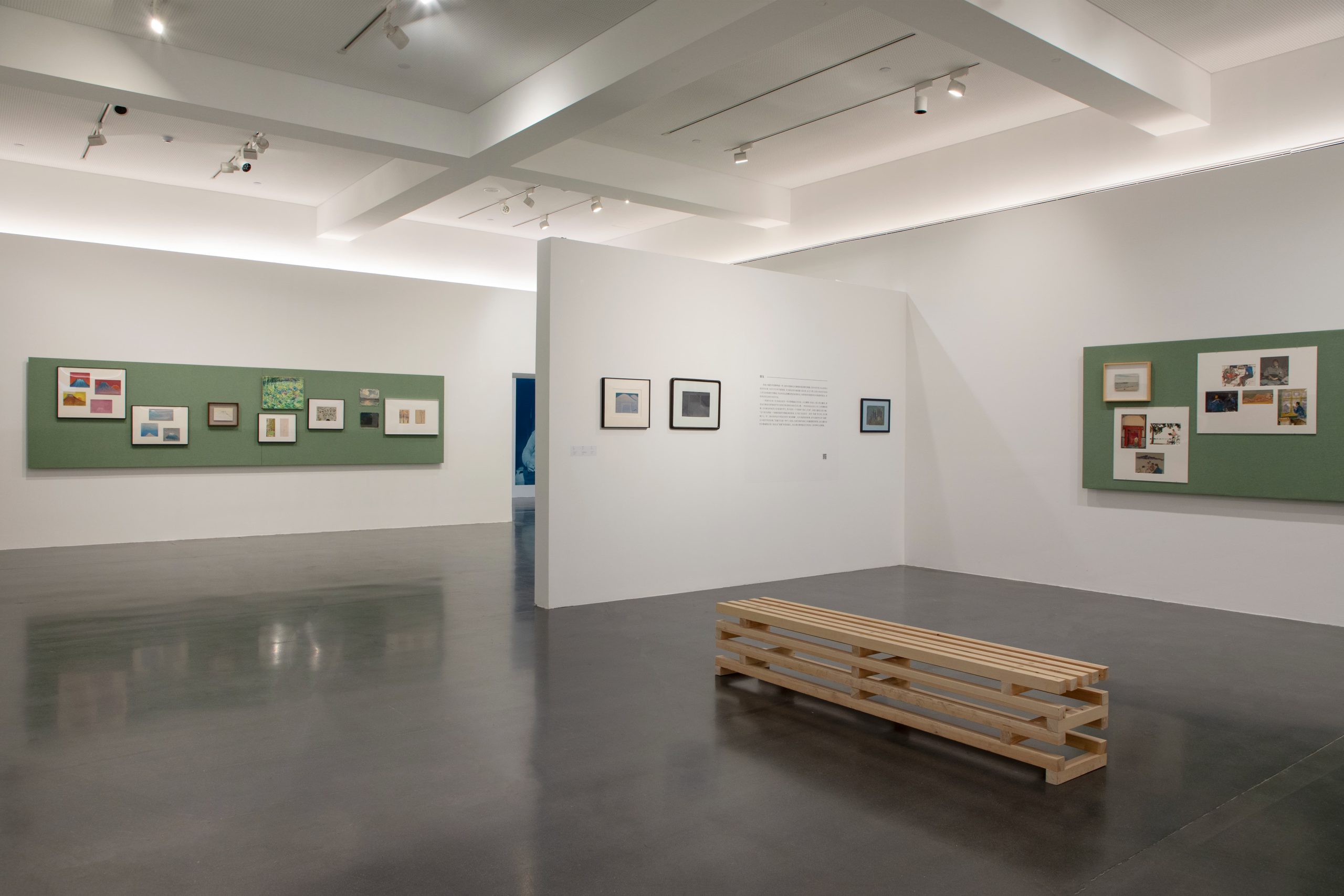
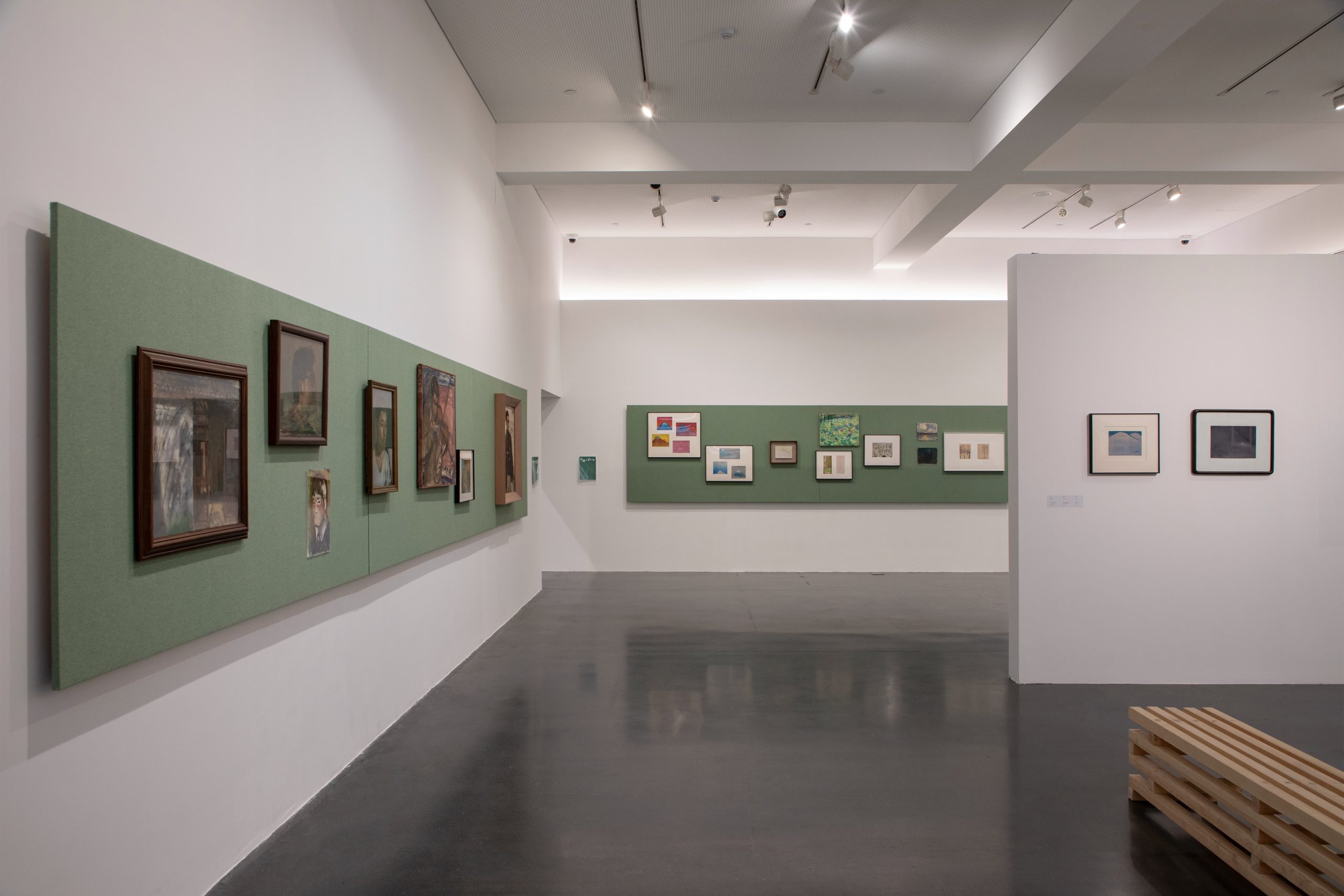
This exhibition brings together nearly 120 works created between 1956 and 2015, spanning the entirety of Zhao Wenliang’s artistic career. The exhibition title, Unadorned Expressions, does not refer to a direct depiction of external reality or an illustration of political ideas. In a cultural context where personal emotions were often avoided and artistic expression was narrowly tied to political visions, Zhao found in early modernist art of the nineteenth century a point of departure for emotional expression. From this, he developed a deeply personal and compelling artistic language. His paintings became his own way of speaking plainly from the heart.
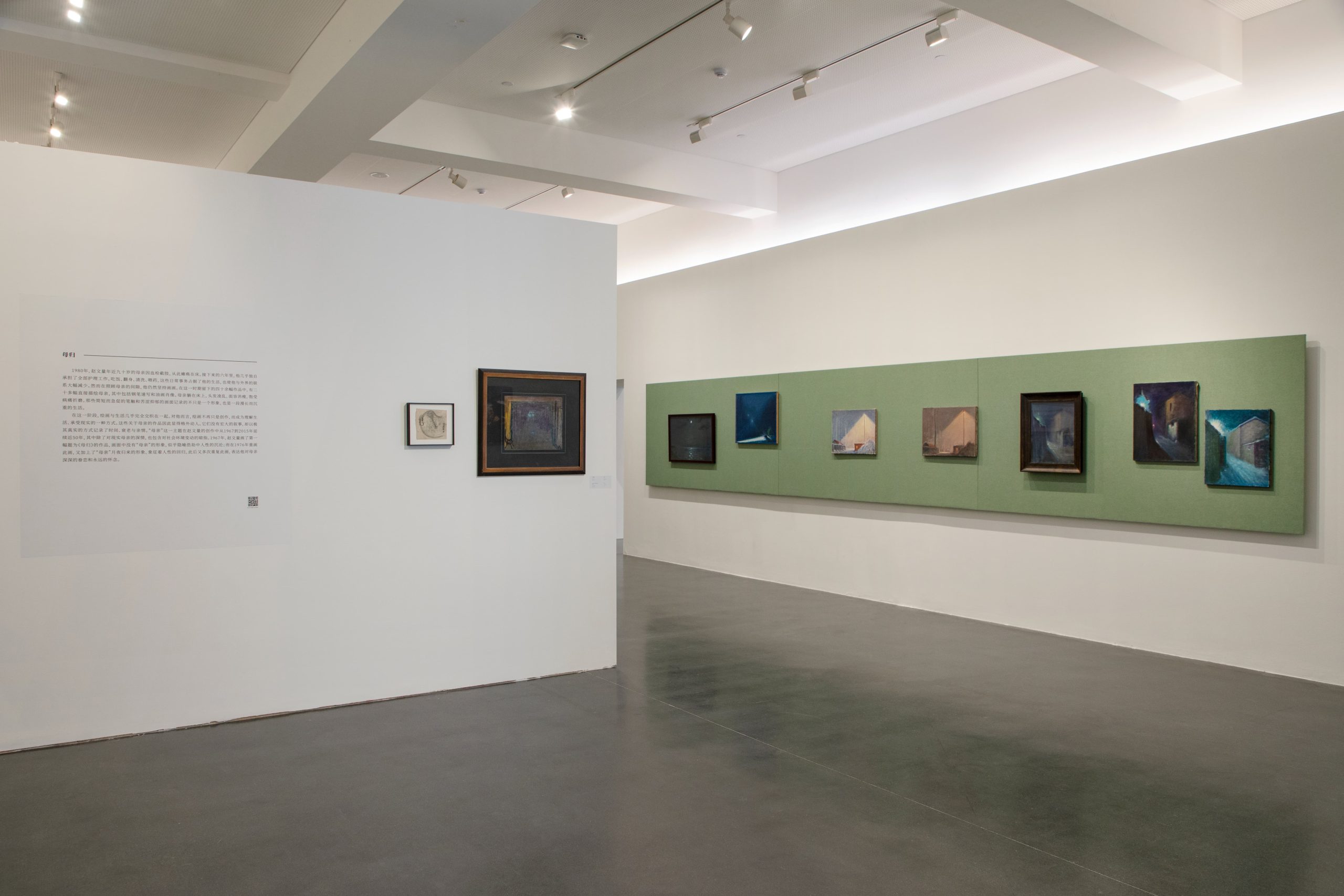
Combining symbolic and lyrical modes of expression, Zhao used images drawn from nature and everyday life to create connections between visible forms and invisible realms of human feeling. In his works, familiar scenes like roads leading to harbors, mist-filled night streets, lotus ponds, solitary figures in forests, or a mother lying on a sickbed, take on symbolic significance. They gesture toward unseen realities: the pursuit of freedom, reflections on the hardships of life, and a quiet awareness of time’s passing. Through symbolism and associative imagery, these visual forms acquire an unusual freedom, allowing the artist’s subjectivity to emerge clearly and directly engage the viewer. Symbolic suggestion imbues visible forms with poetic resonance and beauty, while reflections on human existence remain quietly embedded within compositions that are at once structurally balanced and spiritually charged. This distinctive approach sets Zhao Wenliang apart not only from other members of the No Name Group, but also from many artists who, in the intellectual climate of the 1970s, began experimenting primarily with formal innovation.
Symbolic expression allowed Zhao to give form to what cannot ordinarily be seen. In his paintings, emotion, belief, ideals, and moral aspiration become something tangible. Zhao placed great importance on intellectual depth and artistic integrity, regarding his works as vessels for lyrical reflection and personal expression. He often wrote short or lengthy notes on the backs of canvases, boards, and sheets of paper. These texts record the circumstances of creation, the people and events surrounding a work, and the artist’s inner emotional state. Together, they form a bridge into Zhao Wenliang’s spiritual world. Zhao lived and grew up within a historical environment shaped by utopian ideals and radical modernization. Yet throughout his life he remained deeply attentive to inner moral cultivation, seeking to integrate the individual self with nature and with art. This spiritual orientation, bearing certain pre-modern characteristics, stood in constant tension with the realities of his time. Through these paintings and writings, we are able to witness how Zhao Wenliang, drawing upon personal experience and persistent artistic exploration, created a body of work whose significance transcends its historical moment.
In 2019, Zhao entrusted all his works to the Inside-Out Art Foundation for preservation and research. Over the following years, through several thematic exhibitions centered on the works of Zhao Wenliang and Yang Yushu, we gradually began to explore and understand his artistic legacy. “Unadorned Expressions: The Spiritual World of Zhao Wenliang” is a small-scale solo exhibition built upon the foundation of these prior thematic studies. A repeated and in-depth examination of Zhao Wenliang’s entire creations has revealed that his artistic achievements extend far beyond the attention and subsequent discussions sparked by his association with the No Name Group in the late 1970s. His works are deeply rooted in the specific historical context of his time, yet their enduring appeal transcends temporal and spatial boundaries, resonating through their intrinsic spiritual qualities.
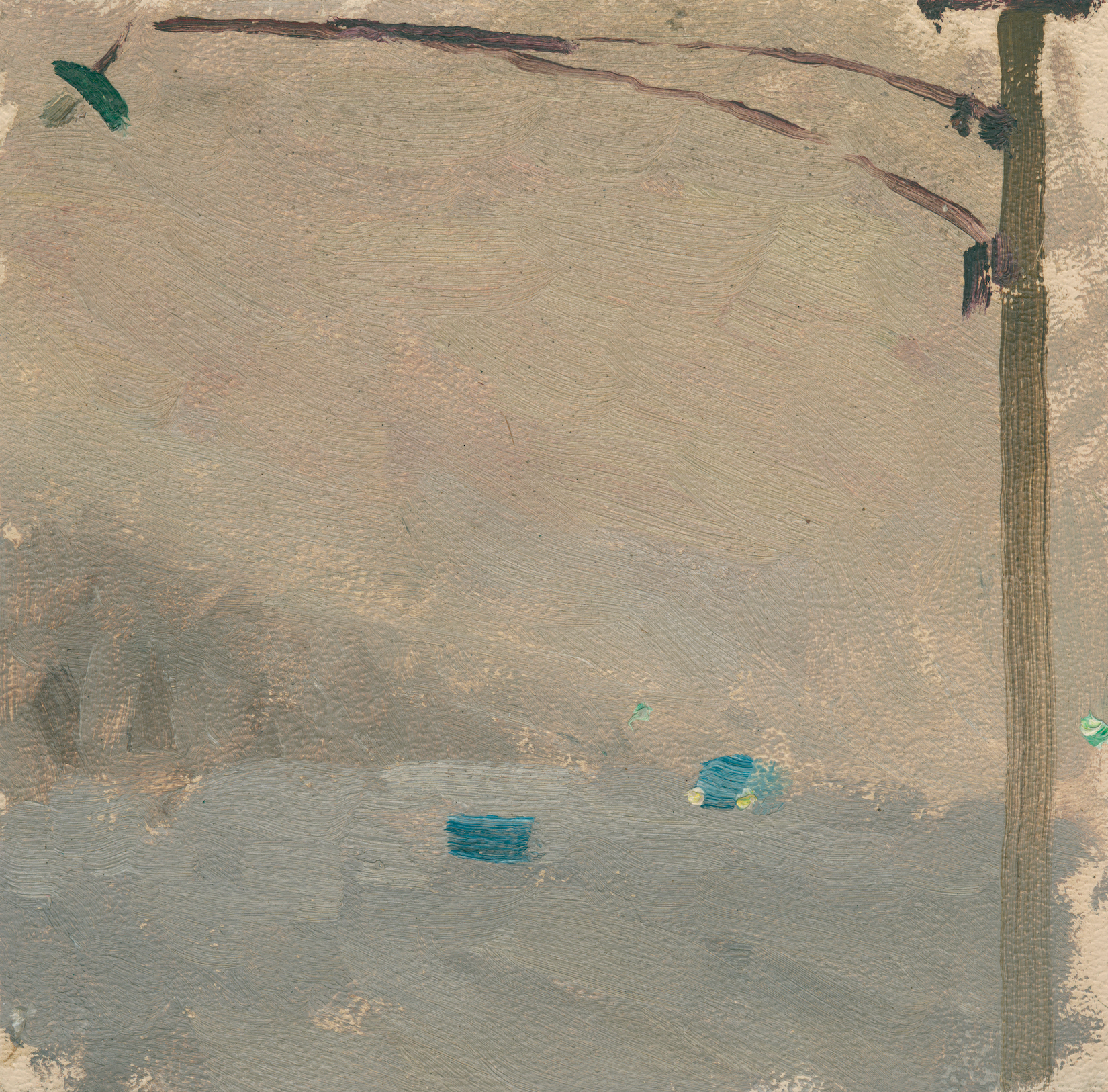
West of the Military Museum
Zhao Wenliang, Oil on paperboard, 1969, 19.2×19.4
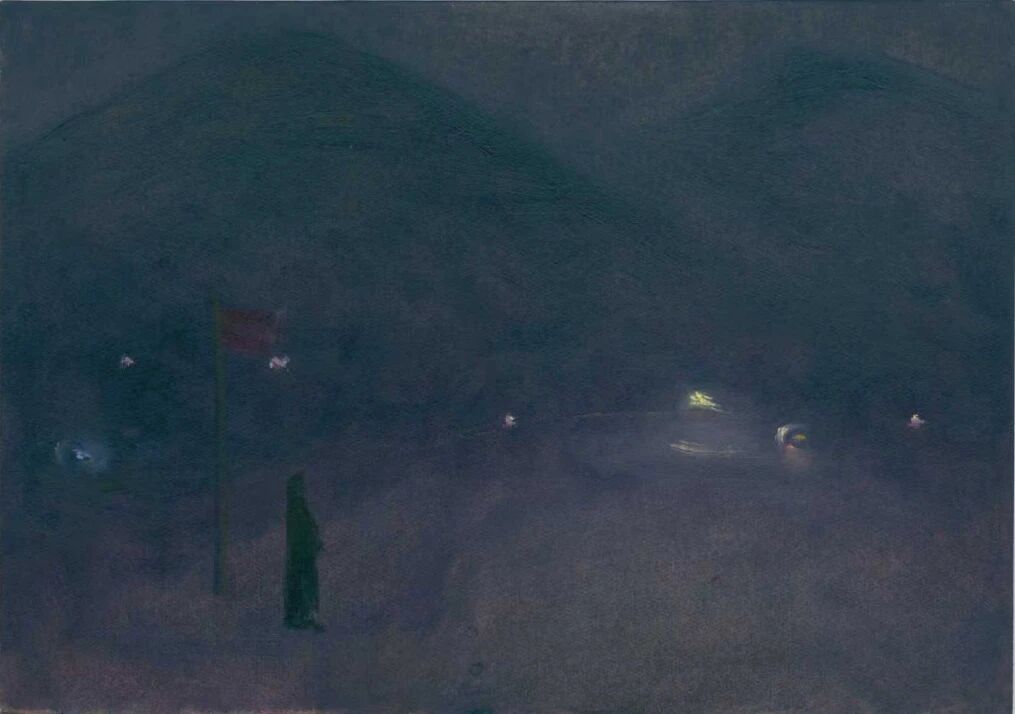
Untitled
Zhao Wenliang, Oil on paperboard, Year unknown, 18.8×26.6
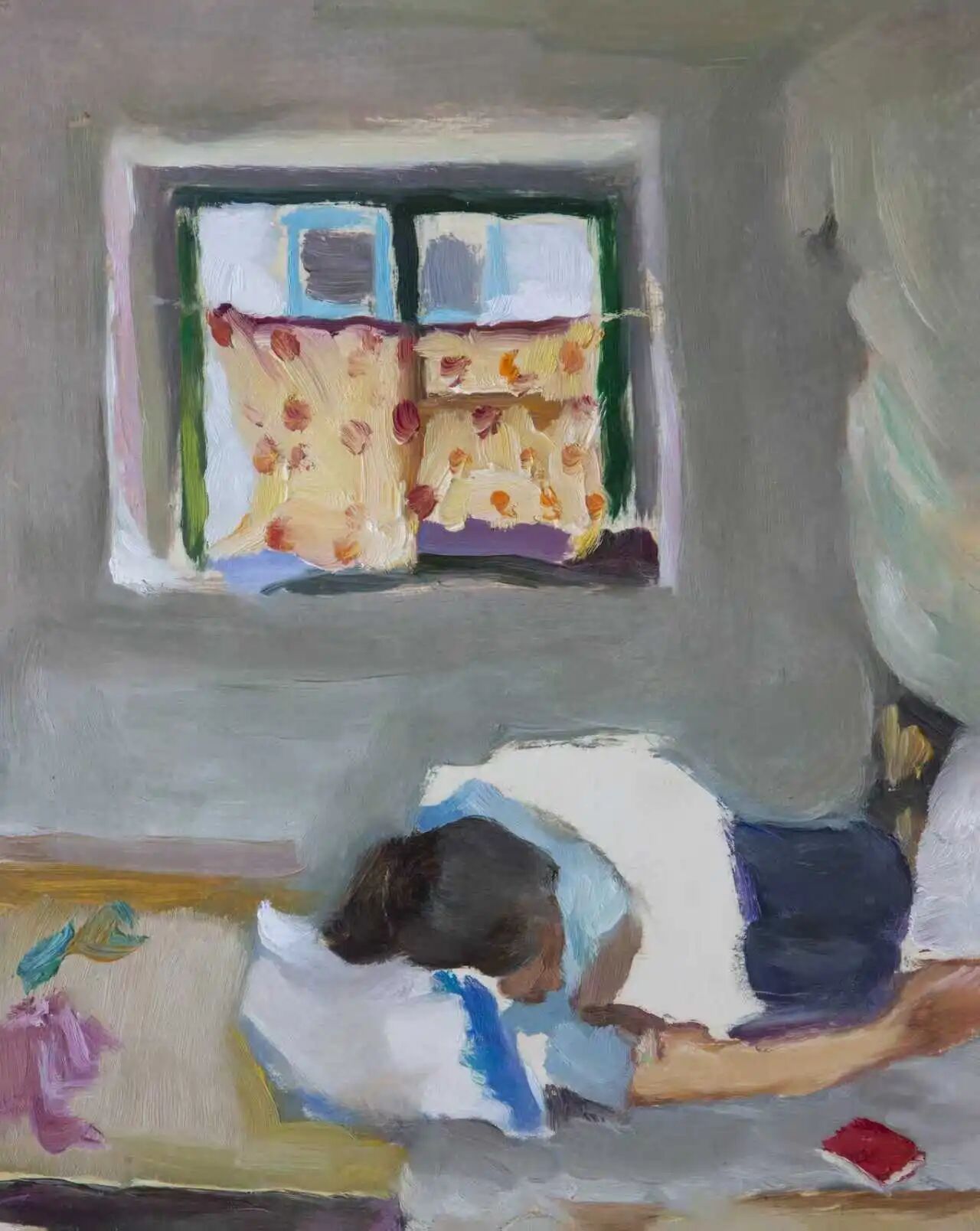
Sleep
Zhao Wenliang, Oil on paper, 1968, 19.4×15.4
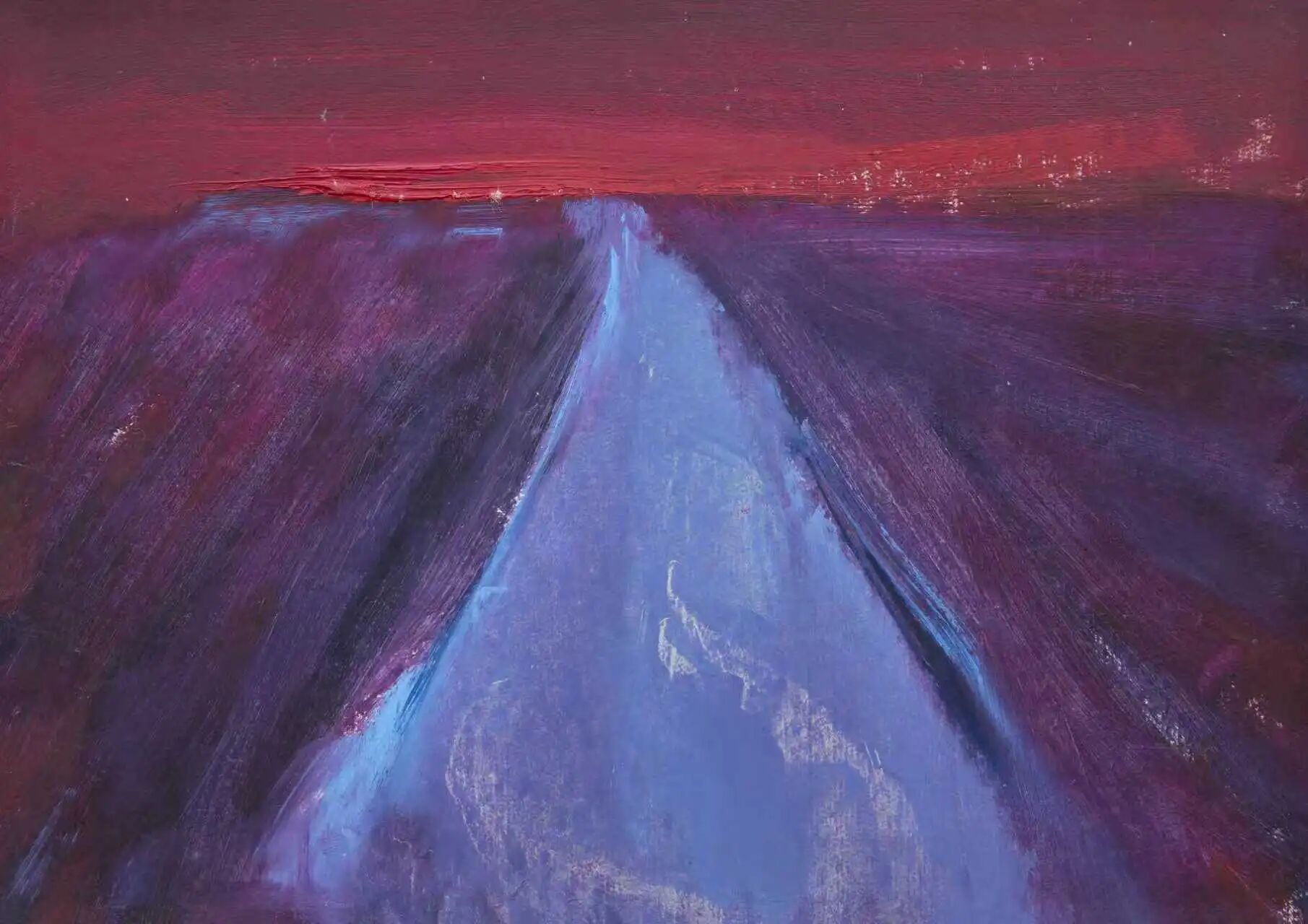
Dagang: Leading to the Ocean
Zhao Wenliang, Oil on paper, 1974, 18.5×26
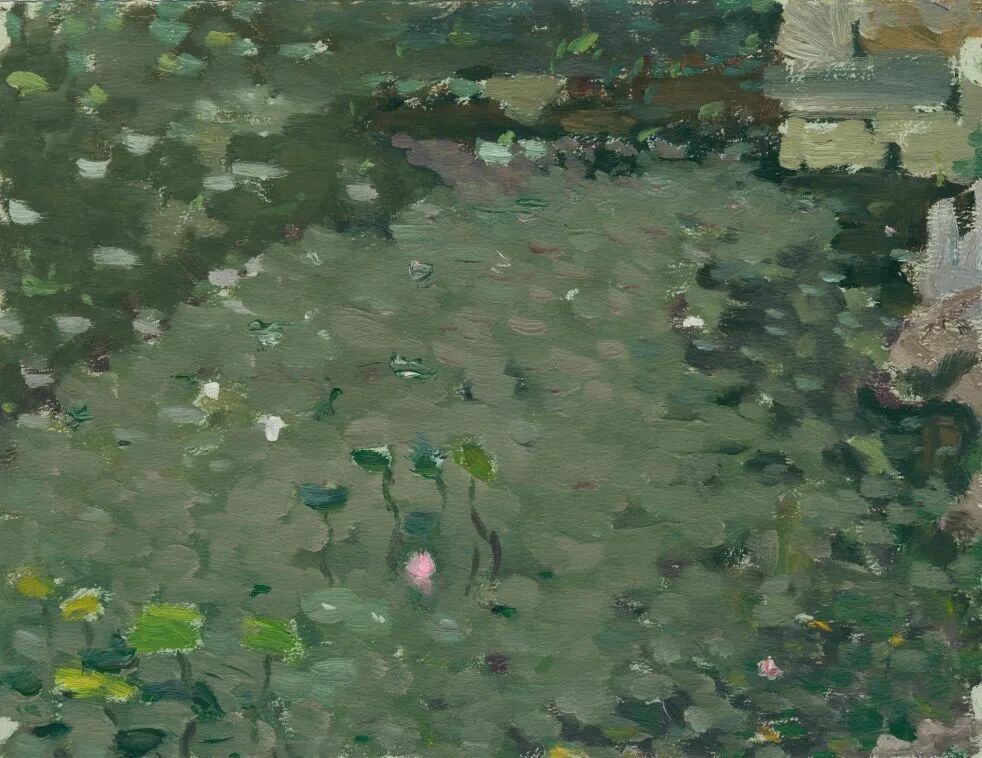
Untitled
Zhao Wenliang, Oil on paper, Year unknown, 19.7×25.5
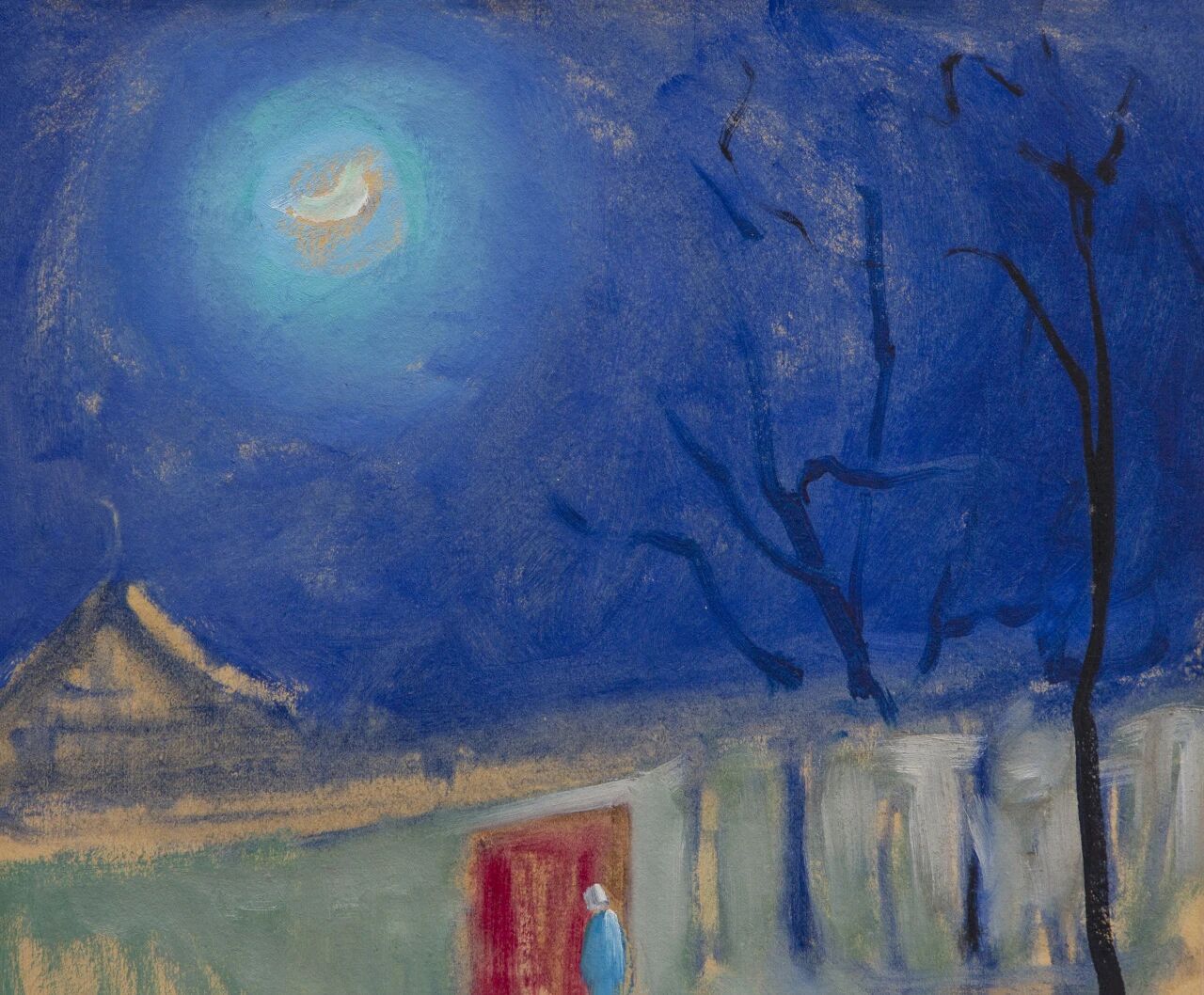
Mother's Return
Zhao Wenliang, Oil on paper, 1977, 16.2×19.3
Zhao Wenliang& Yang Yushu Art Center
Sponsored by Zhao Wenliang Yang Yushu Art Special Fund, Zhao Wenliang Yang Yushu Art Centre was established on 17 December 2019, and authorized by the Middle Art Foundation to entrust the Middle Art Museum to set up the Academic Committee of “Zhao Wenliang Yang Yushu Art Centre”, which is in charge of archiving, sorting, researching and organizing related academic activities of Zhao Wenliang and Yang Yushu’s works and documents, The academic committee is responsible for archiving, sorting, researching, exhibiting, publishing, and organising related academic activities of Zhao Wenliang and Yang Yushu. The establishment of the special fund and the art centre heralds the beginning of the systematic collation and research on the artistic creation and thoughts of Zhao Wenliang and Yang Yushu, and the initiation of this research will also have a far-reaching impact on the writing of the history of Chinese art in the 20th century.
Artists
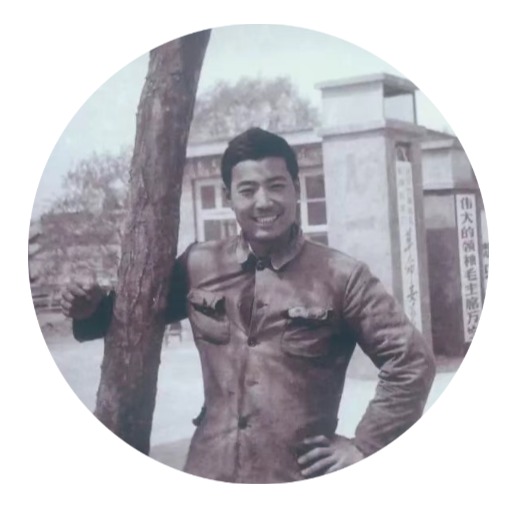
Artist Zhao Wenliang was born in Harbin. He created literally his first work Tree and Cornfield, when applying to the Central Academy of Fine Arts in 1956. He was rejected because he commented that paintings at that time were all “stereotyped.” In 1957, he went to Xihua Art Preparatory School to study oil painting. There he got acquainted with Yang Yushu as well as Zhang Da’an and Shi Zhenyu, who later became core members of the No Name Group. They frequently got together to paint plein air all over Beijing. Facing many restrictions in places nearby, they shifted their painting spot to Yuyuantan Park, marking the start of the so-called “Yuyuantan School of Painting.”It was changed to the No Name Group when they mounted an exhibition in 1979. In the following six years, Zhao took care of his sick mother until her passing. After that, he travelled afar to make plein air paintings many times for 20 years. Zhao has devoted his whole life to art and kept painting till he died of illness in 2019.
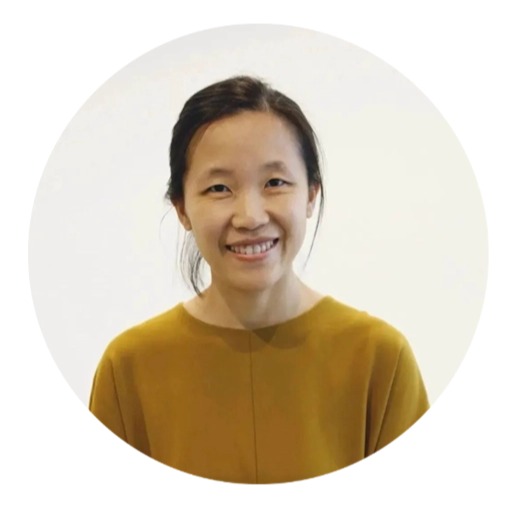
Carol Yinghua Lu
Carol Yinghua Lu is a PhD scholar at the University of Melbourne and director of the Beijing Inside-Out Art Museum. She is a contributing editor at Frieze. Lu was on the jury for the Golden Lion Award at the 2011 Venice Biennale and on the jury for the Filipino National Pavilion of 2018 Venice Biennale of Architecture. She was the co-artistic director of the 2012 Gwangju Biennale and co-curator of the 7th Shenzhen Sculpture Biennale in 2012. From 2012 to 2015, she was the artistic director and chief curator of OCAT Shenzhen. She was the first visiting fellow in the Asia-Pacific Fellowship program at the Tate Research Centre in 2013. She is one of the first four ARIAH (Association of Research Institute in Art History) East Asia Fellows 2017 at Bard Graduate Center. In 2019, she was on the jury for the Tokyo Contemporary Art Award, Hugo Boss Asia and Rolex Mentor and Protégé Arts Initiative.
Exhibition Photos
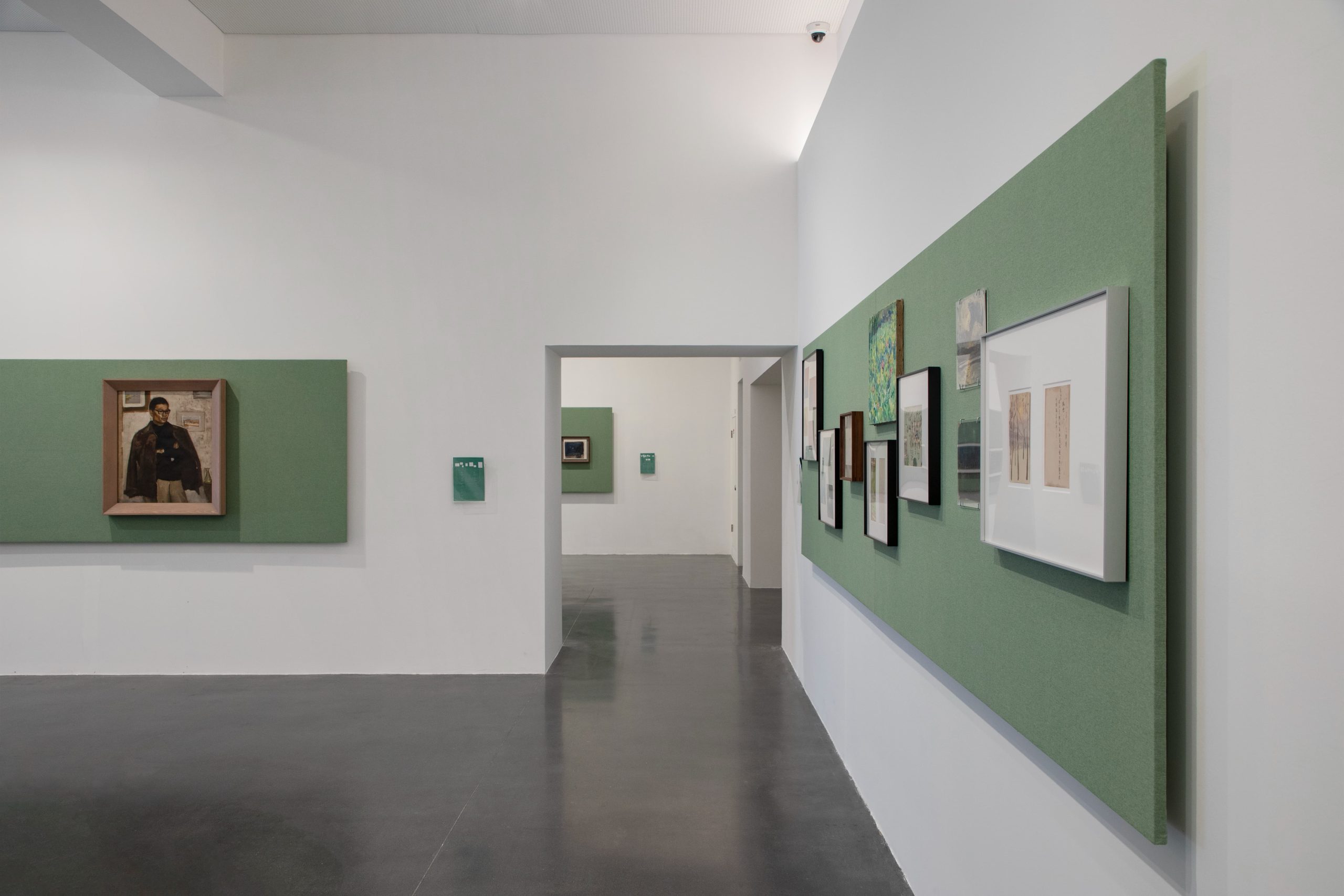
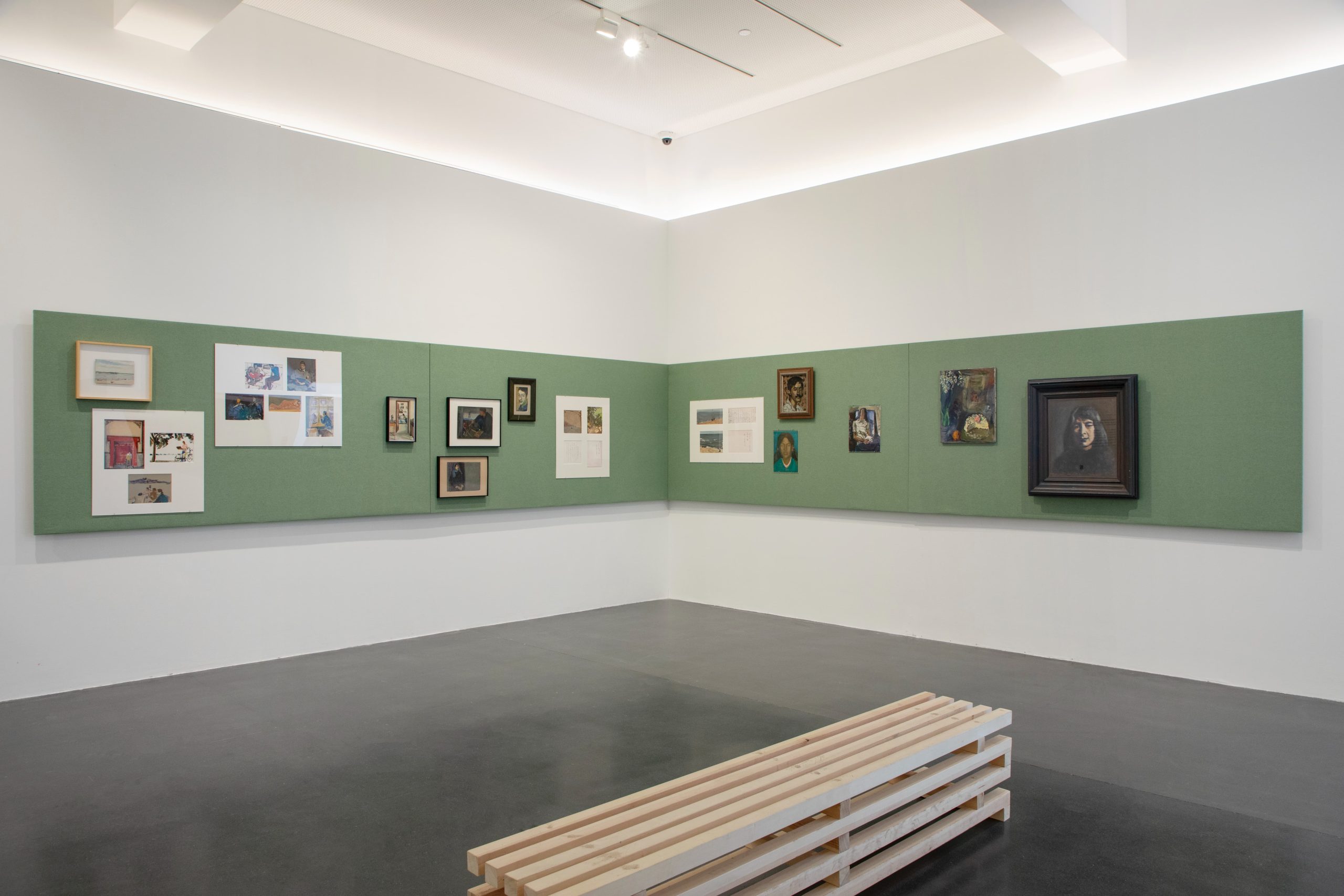
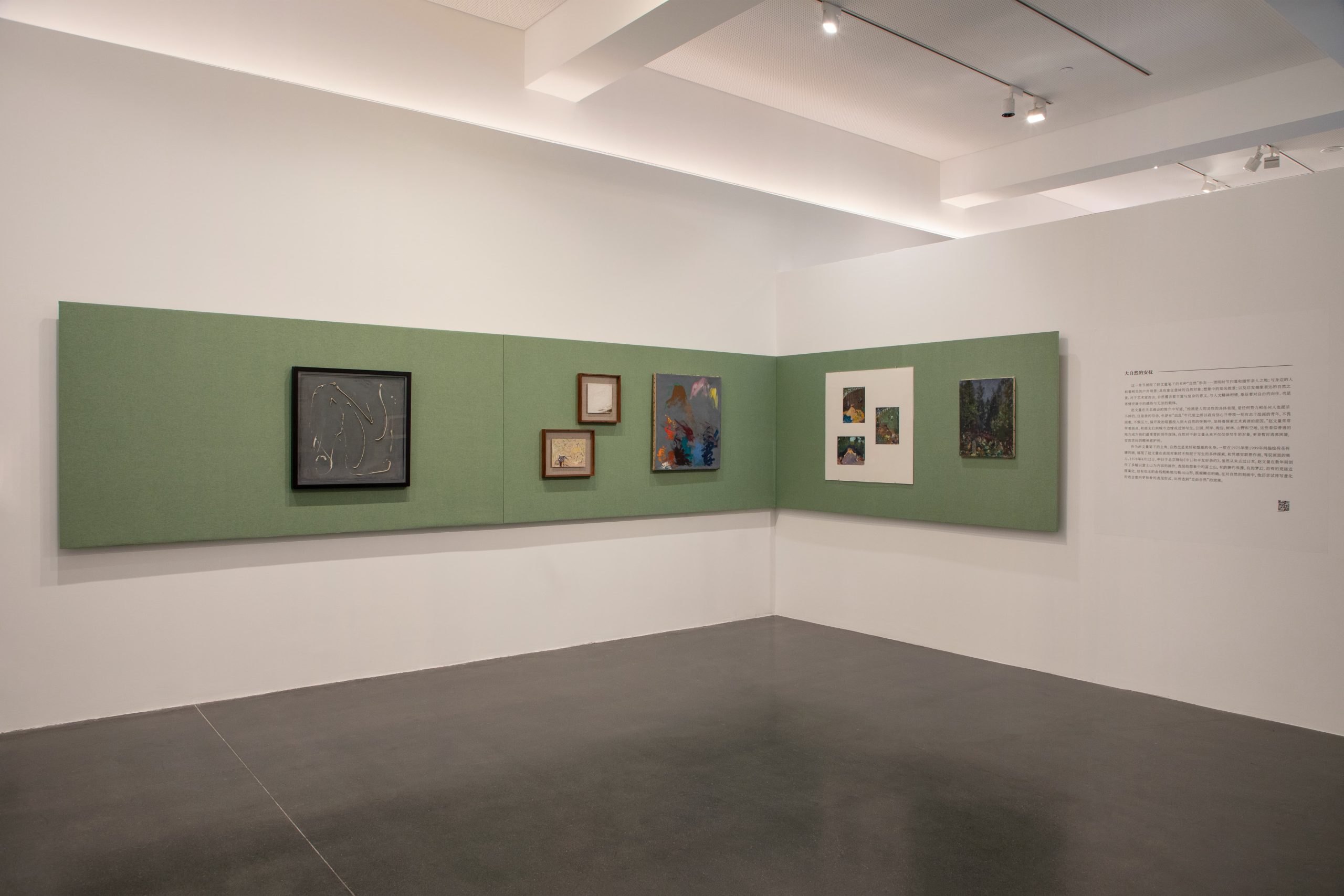
View the Exhibition Online
Exhibition Information
Exhibition Date
March 14–June 21, 2026
Exhibition Time
Wed.-Fri. 11:00-18:00
Sat.-Sun. 10:00-18:00
Last Entry
17:30
Exhibition Location
Beijing Inside-Out Art Museum, No.50 Xingshikou Road, Haidian District, Beijing
Ticket Price
Regular Ticket: 20 RMB per person
Concession: 10 RMB per person
Concessions applied to the following audience members:
Students and teachers, with student ID and teacher ID.
Language
Chinese, English
Barrier-free Access
We provide barrier-free access. Please make an appointment by telephone in advance. Tel: (010) 62730230
Sponsors